Visiting China: Rumors / Reality
In June 2025, I landed in China expecting chaos - huge crowds, confusion, delays, and no personal space.
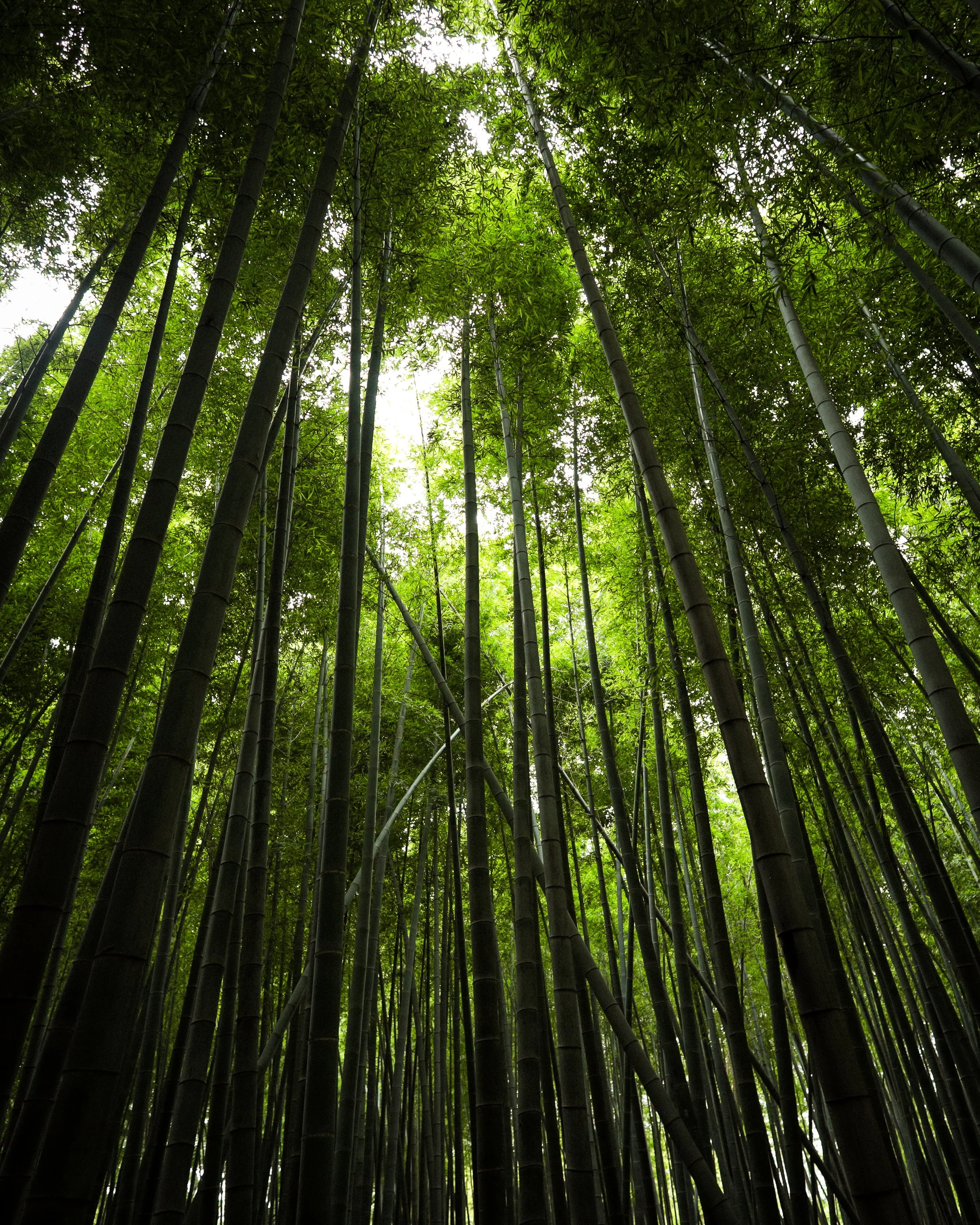
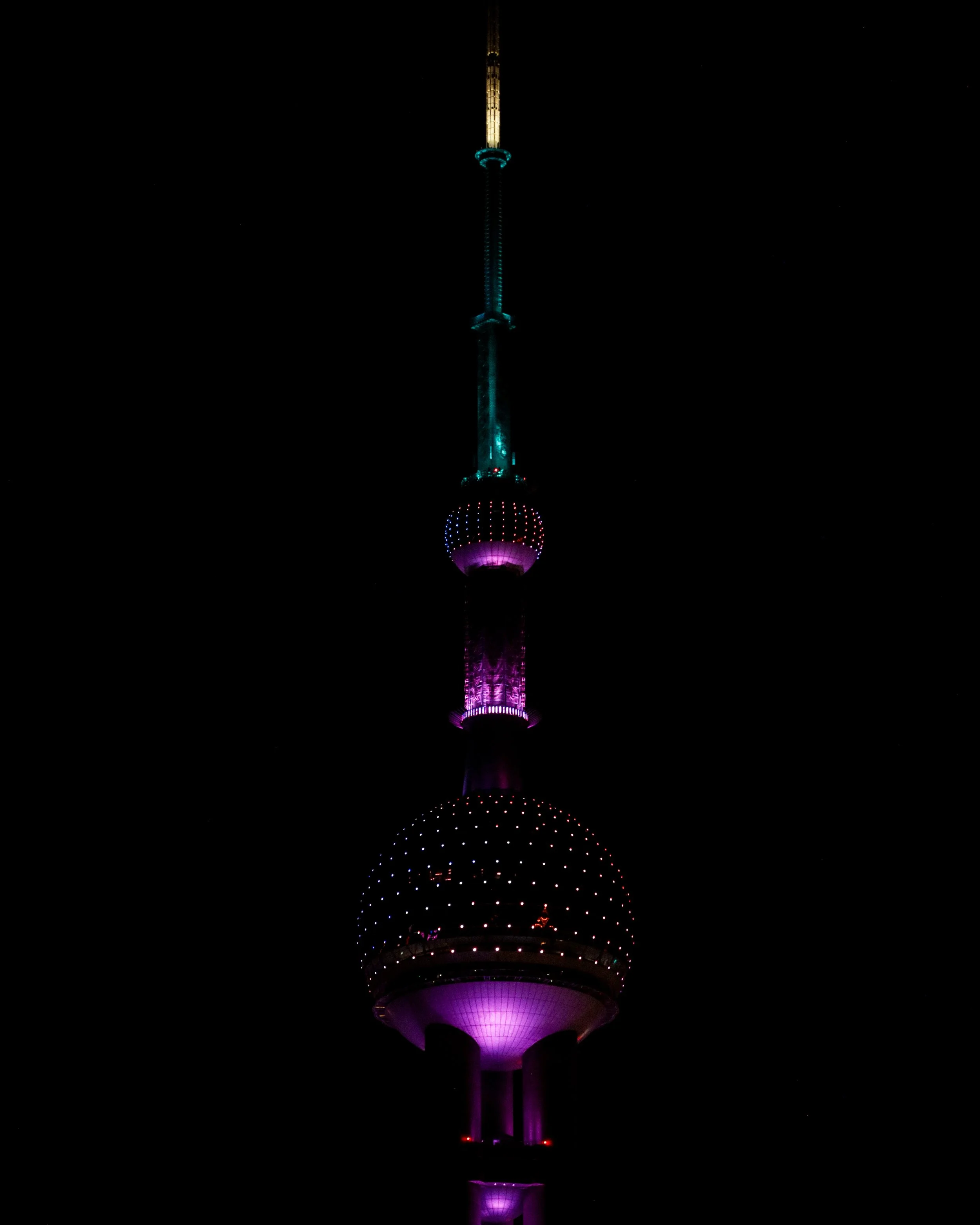
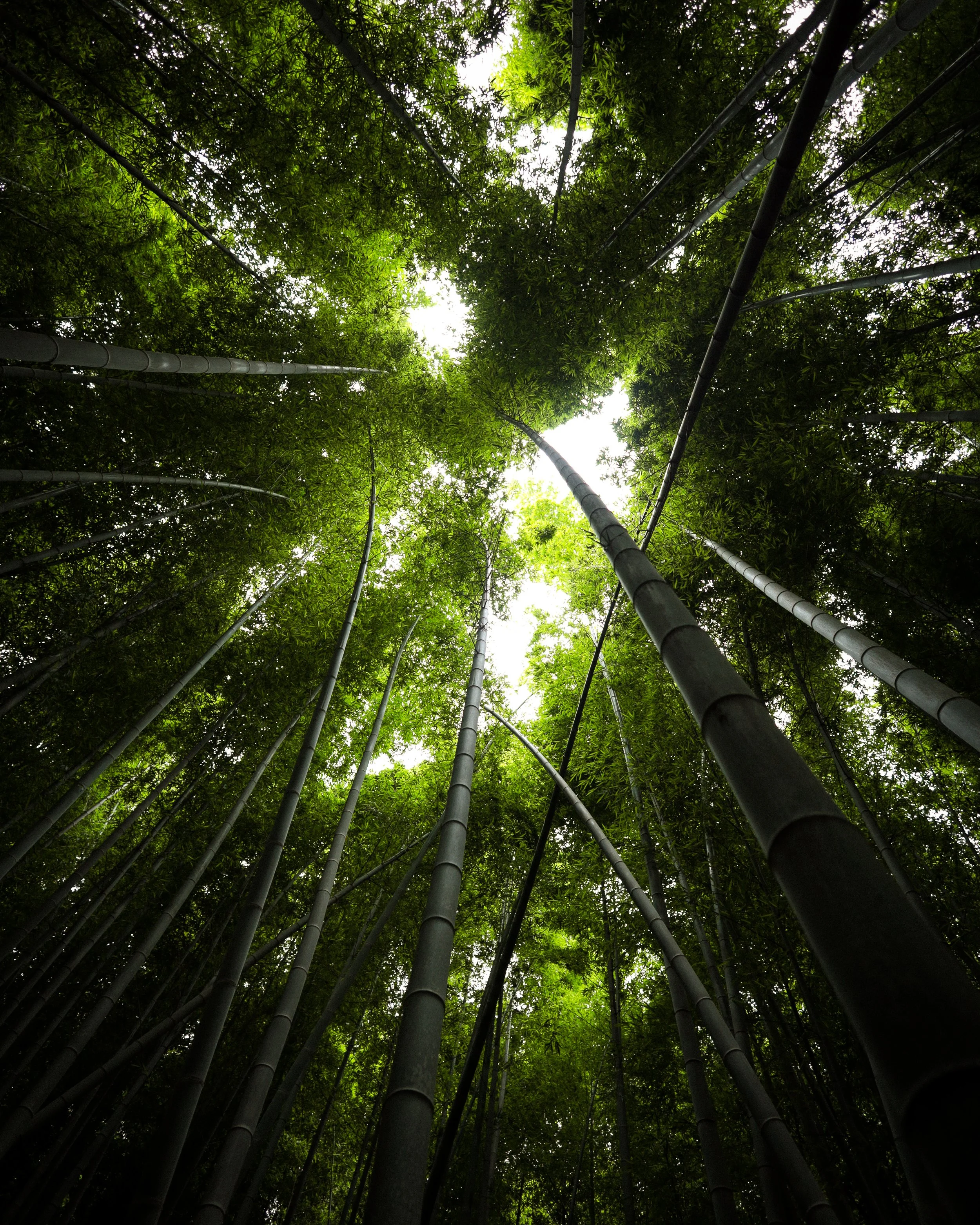
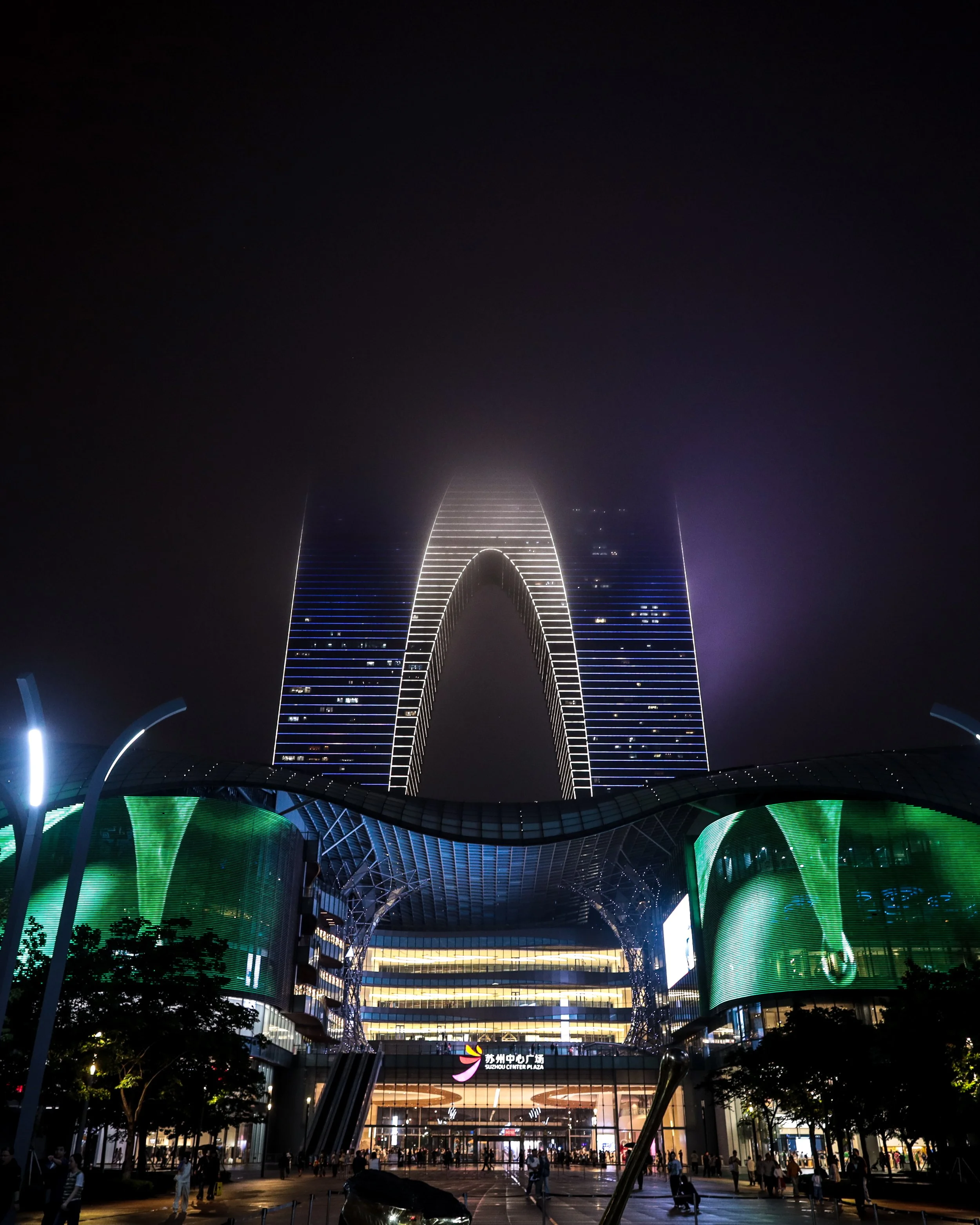
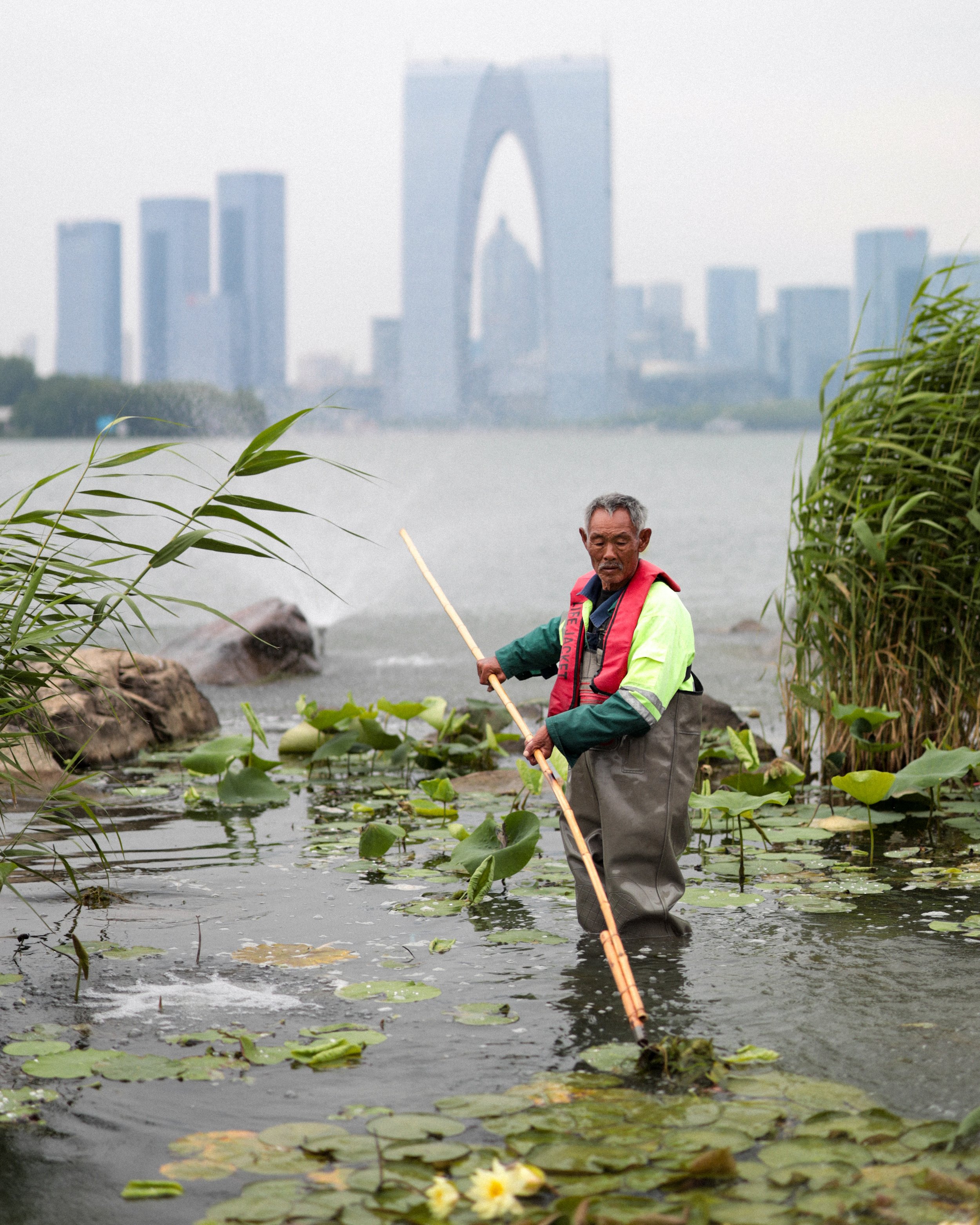
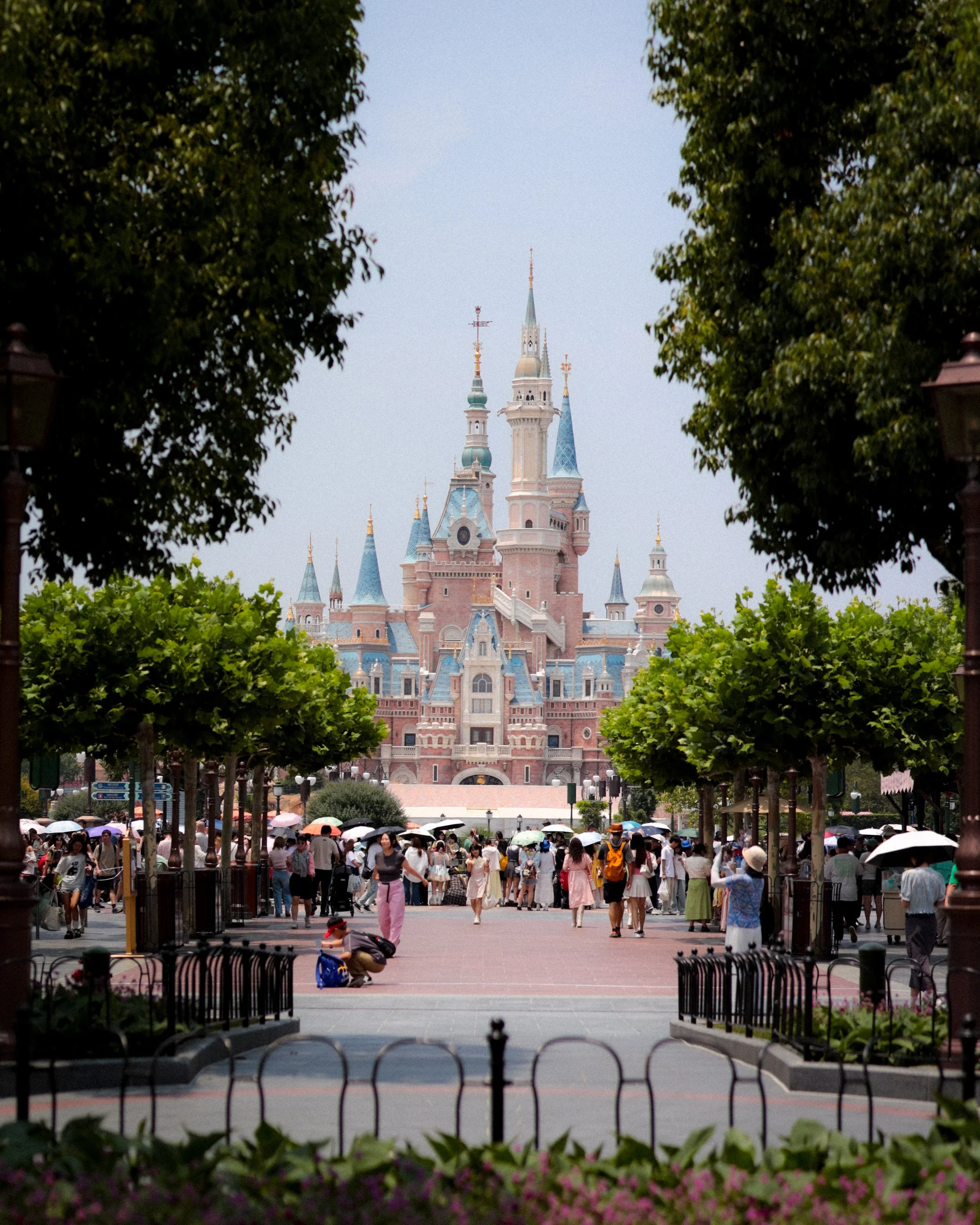
Back in 2015, I actually tried to plan a family trip to China. But everything I read online made it feel overwhelming at best or unsafe at worst. A few coworkers who traveled to China for a 12 Stars Media project in 2016 came back with less-than-glowing reviews, and one Chinese woman I met in the U.S. flat-out told me, “Your kids will have nothing to eat there. We don’t have chicken fingers and french fries like you do here.” I took that with a grain of salt - my kids are adventurous eaters, thank you very much - but after a few months of exploration, the stars just weren’t aligning and I gave up on the idea.
So, arriving in Shanghai ten years later, I was prepared to face some of my worst fears.
But, the airport? Surprisingly smooth and comfortable. In fact, it felt more organized and calming than many of the similarly sized airports I’ve seen in my travels.
“Maybe we just landed at a weird time,” I thought.
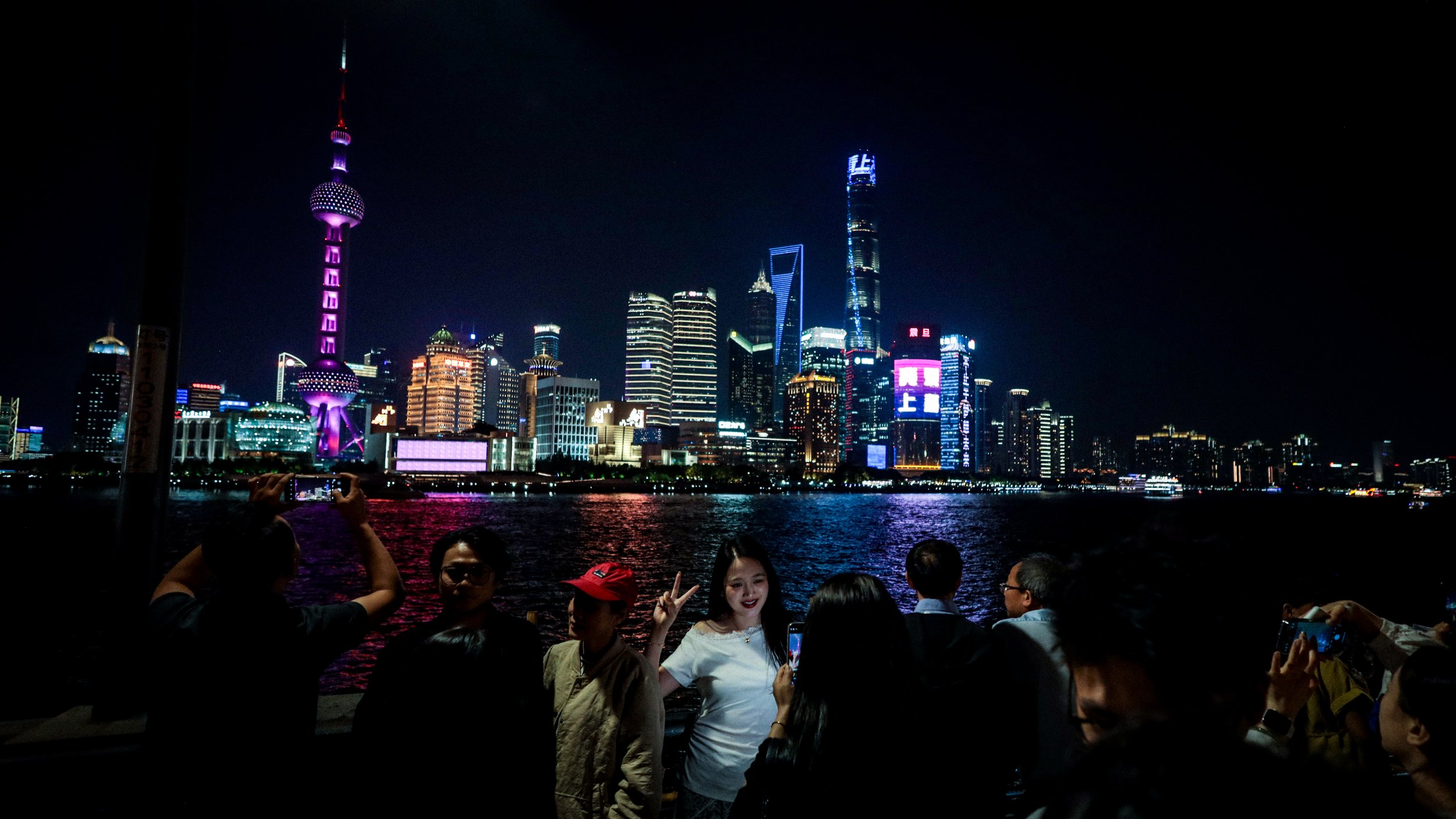
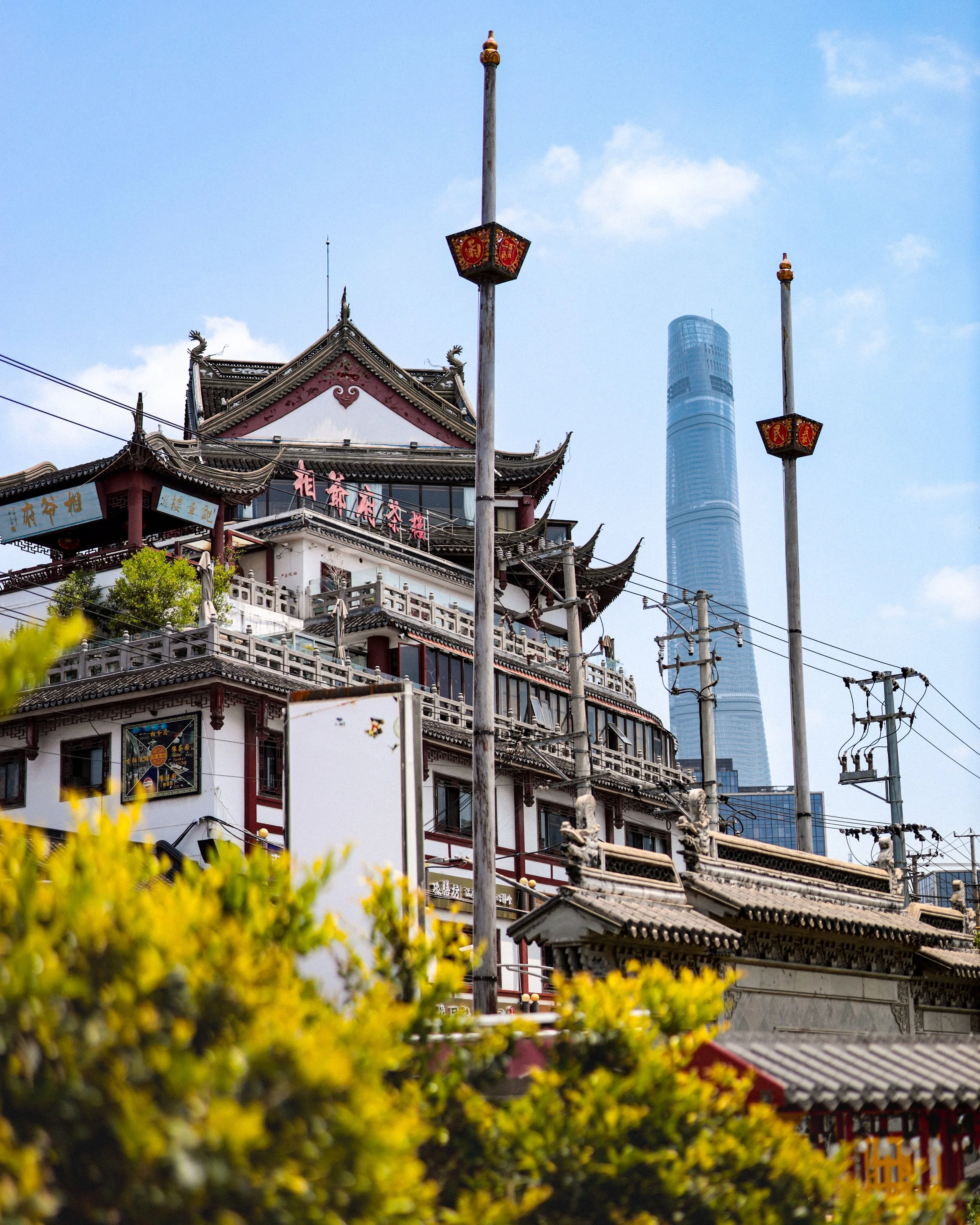
Pudong skyline view from the Bund
Taken on my Canon EOSR with the ridiculously wide RF16mm F2.8 Lens
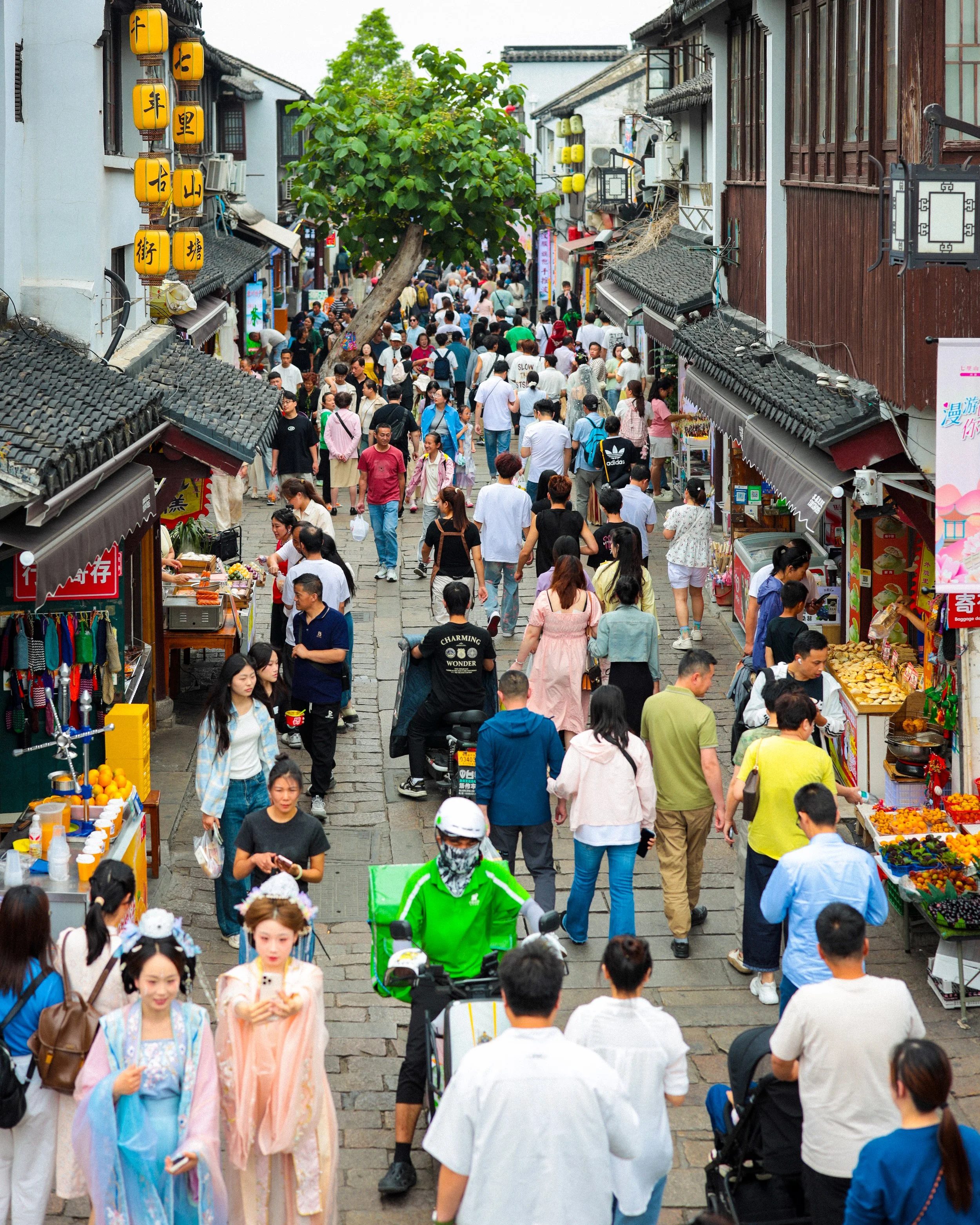
Then, the pattern held true for the rest of the trip: yes, there were a LOT of people in some places, but the infrastructure typically accommodated the crowds. Wide sidewalks, green spaces, and efficient transportation.
It just worked.
Actually, it didn’t just work. It thrived in a way that made me envious. Granted, I visited Shanghai and Suzhou - the latter of which is consistently ranked as the most liveable and/or best city in mainland China. But, even with that fact tempering my reflection, a lesson still rang true: the picture in my head may not have been based on reliable references.
My Noodle Shop Experience
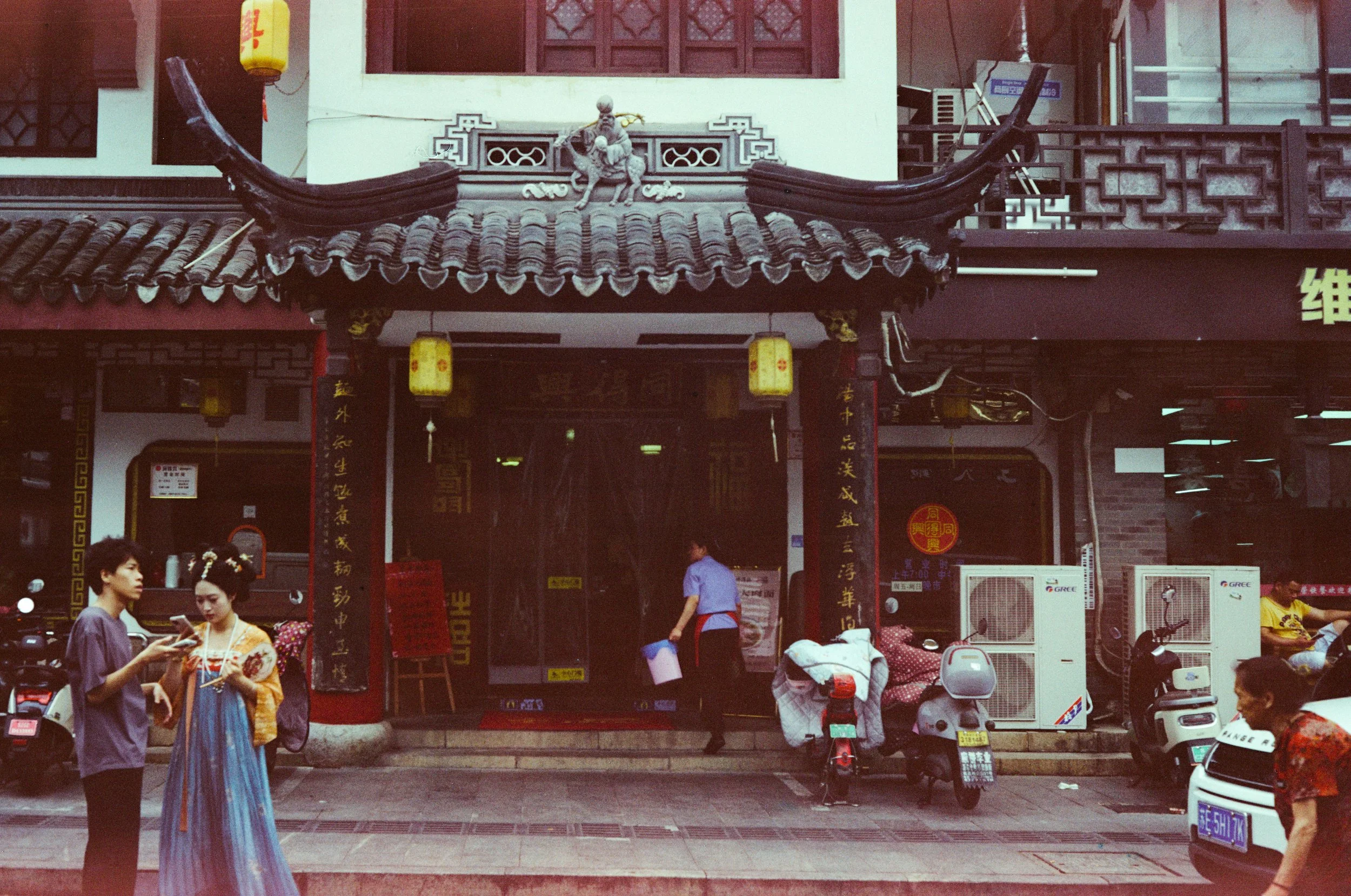
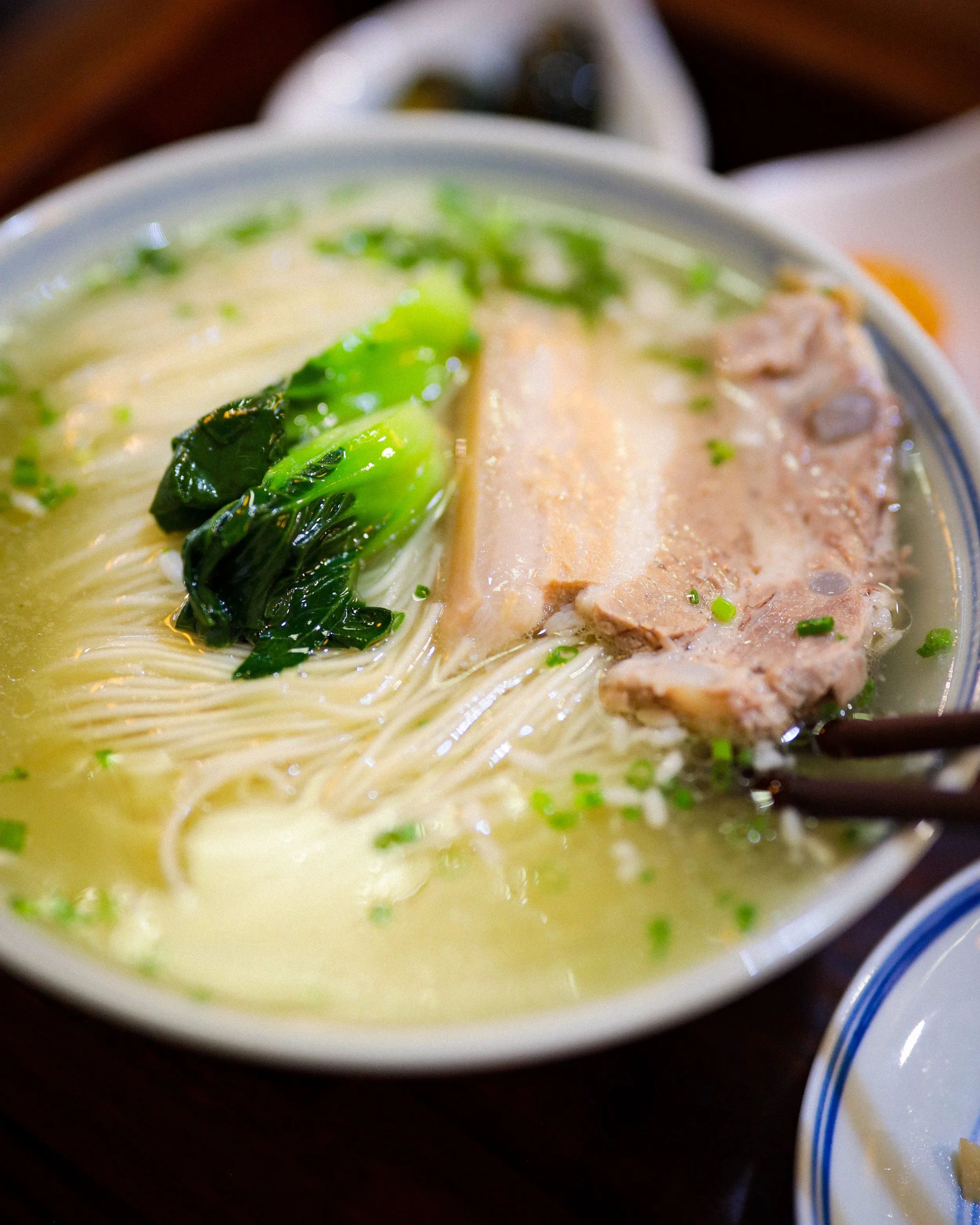
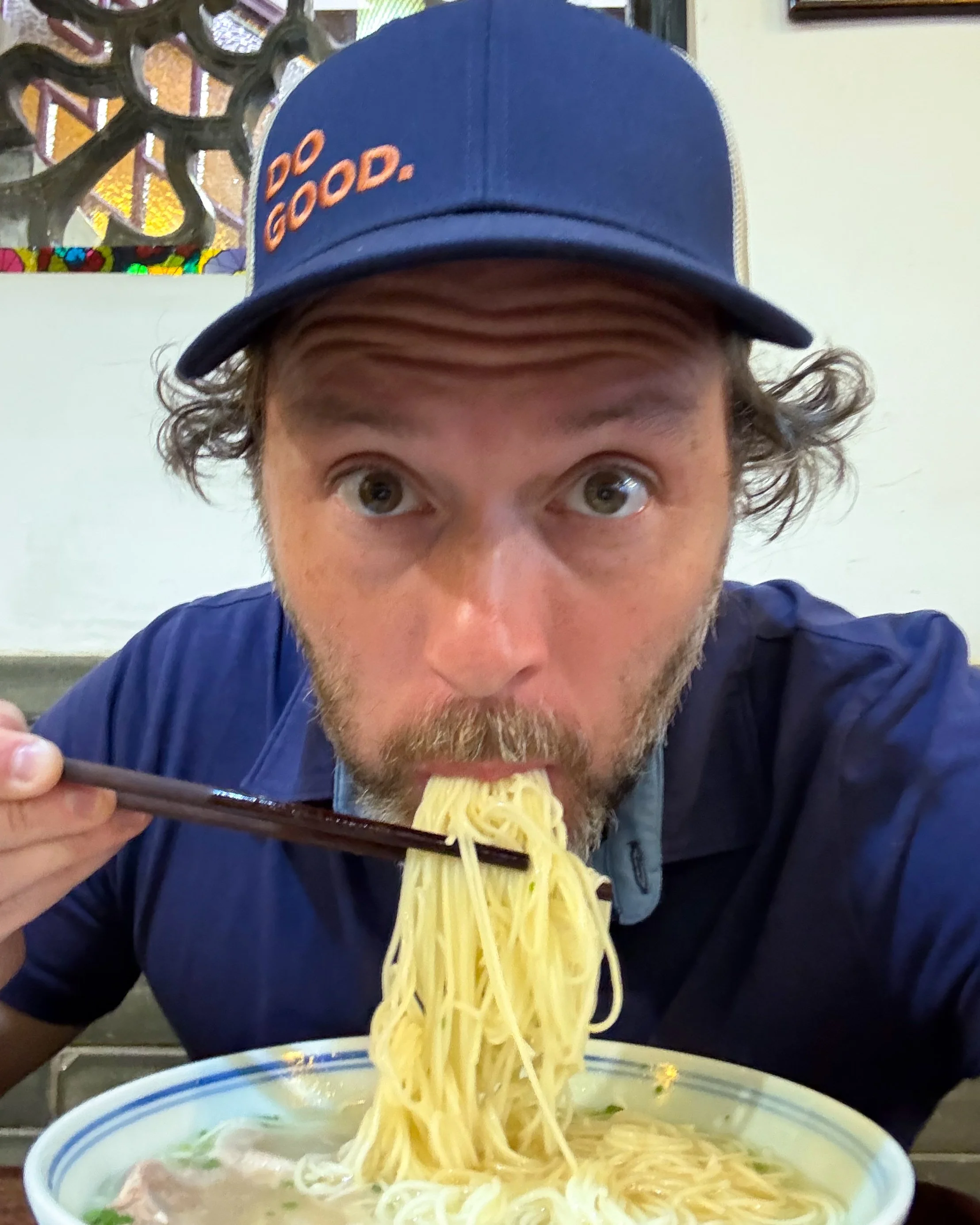
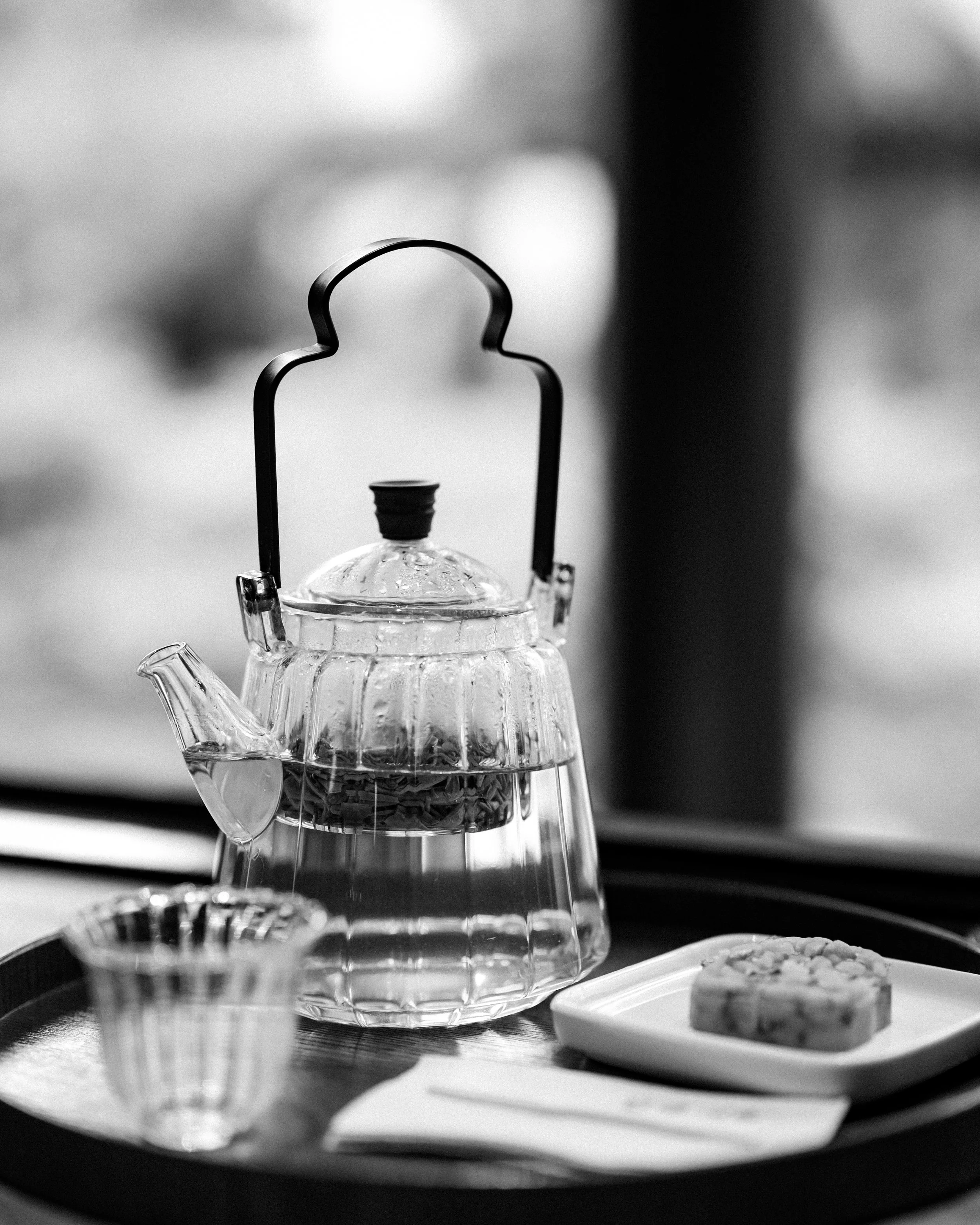
Tong De Xing (Jiayu Fang) in Suzhou, China
Taken on my 35mm Canonet QL17 GIII with Amber D100 Color Negative Movie Film
I expected to struggle with food in China - figuring out how to order, what I was eating, how to pay for it. But almost everywhere we went, tech made it seamless. One of the best meals I had was at a noodle shop in Suzhou. I knew I wanted to get away from the mainstays in the heart of the city, so I hopped on Reddit and within minutes discovered a post linking to an expat’s detailed account of his noodle-seeking excursions throughout Shanghai and Suzhou.
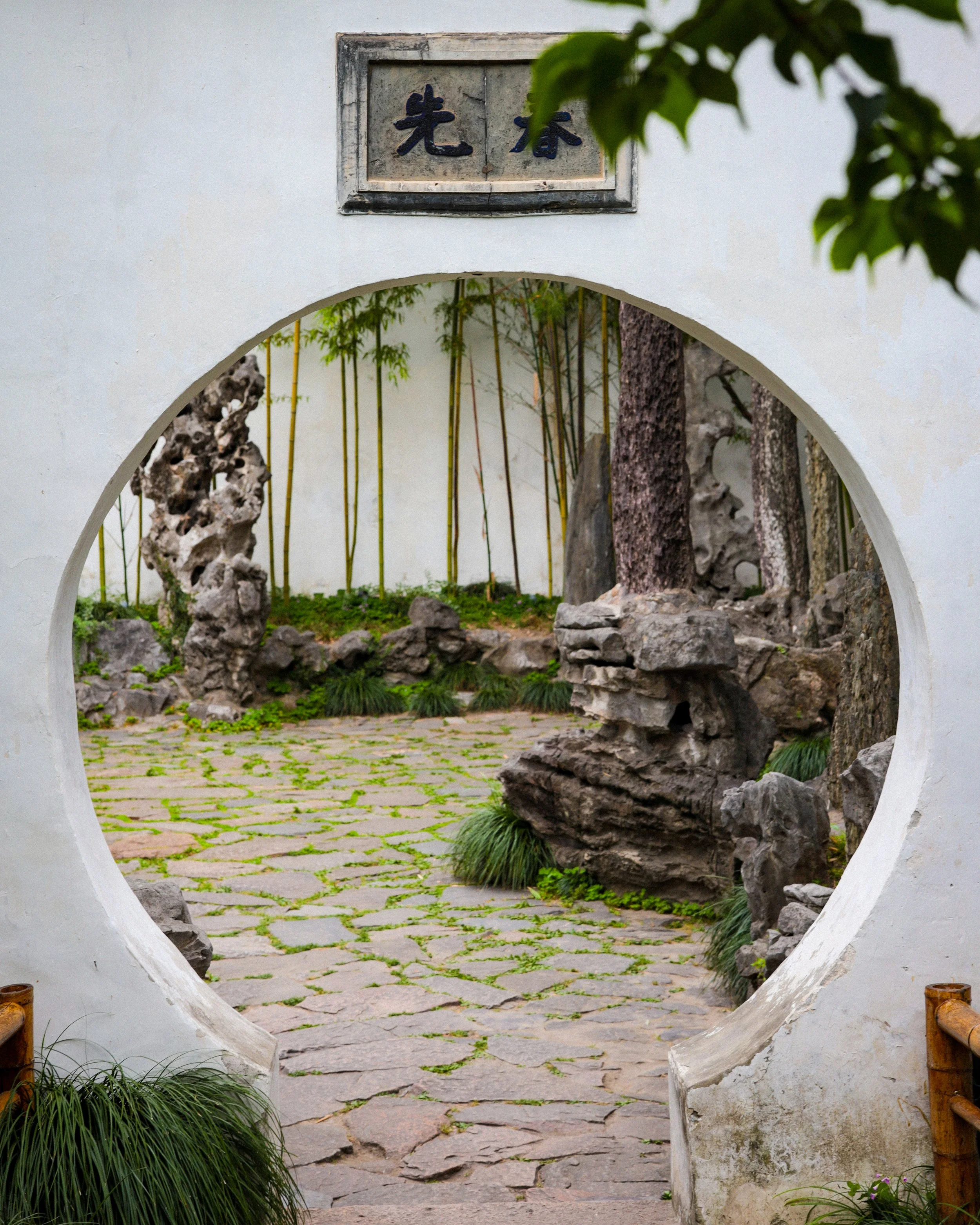
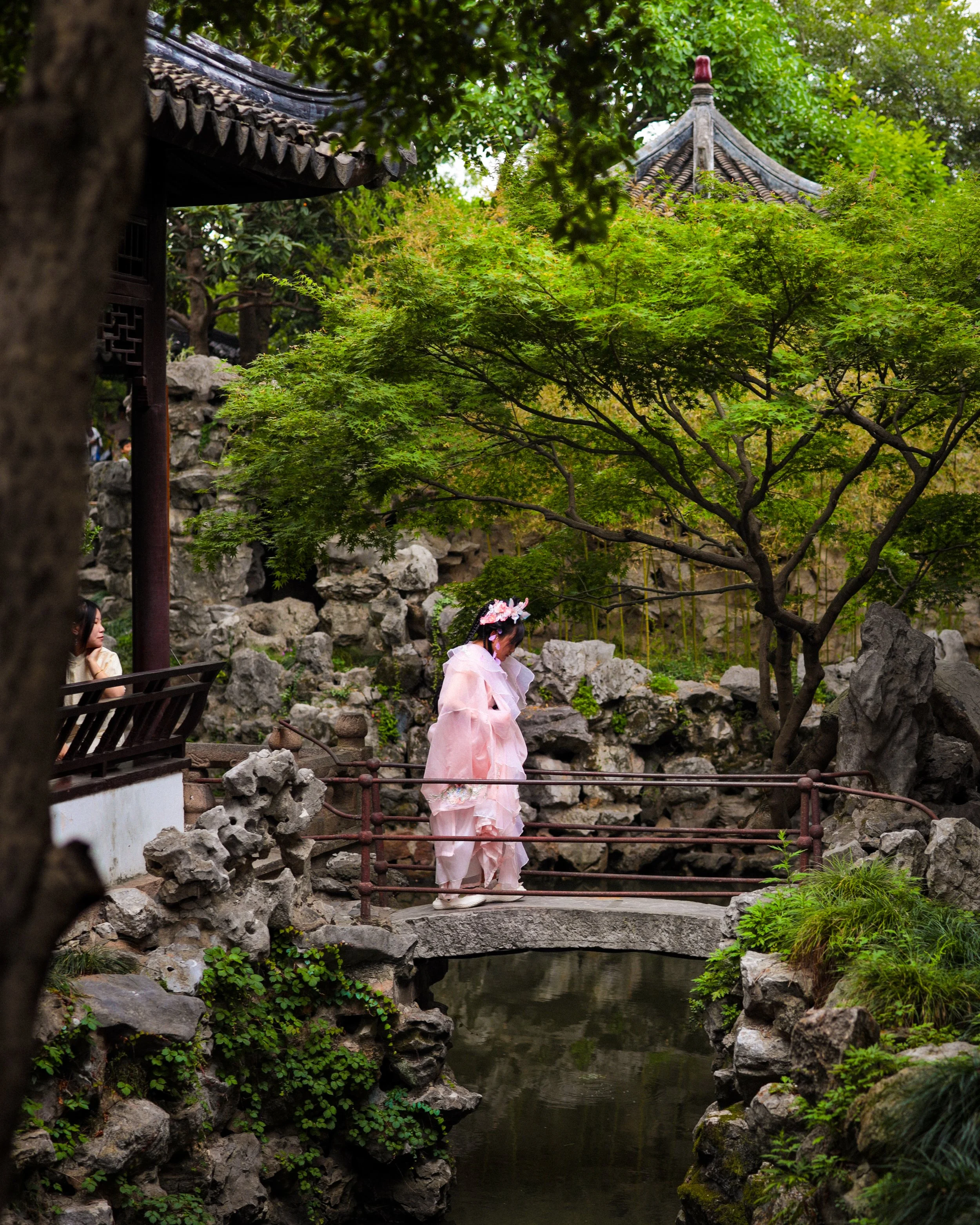
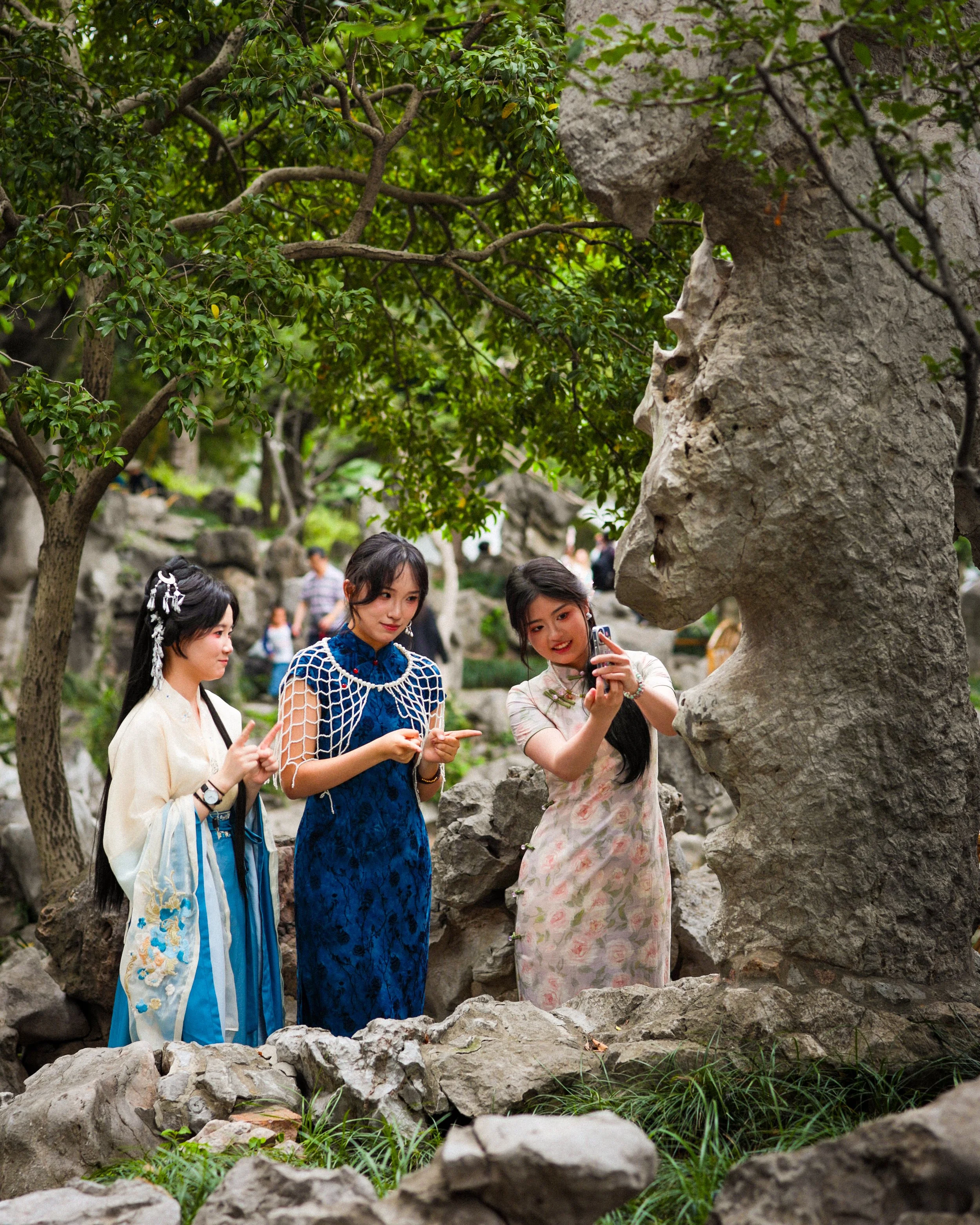
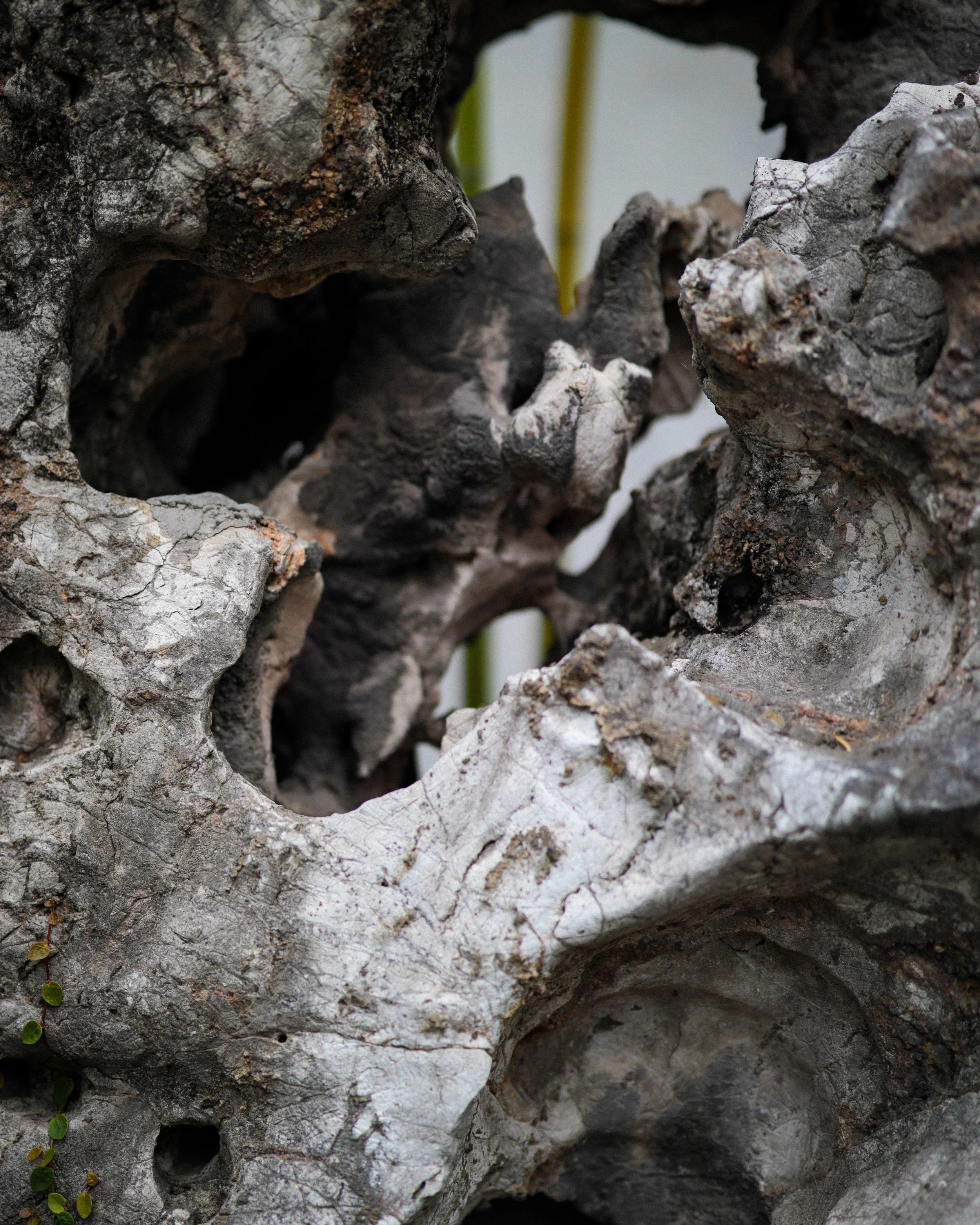
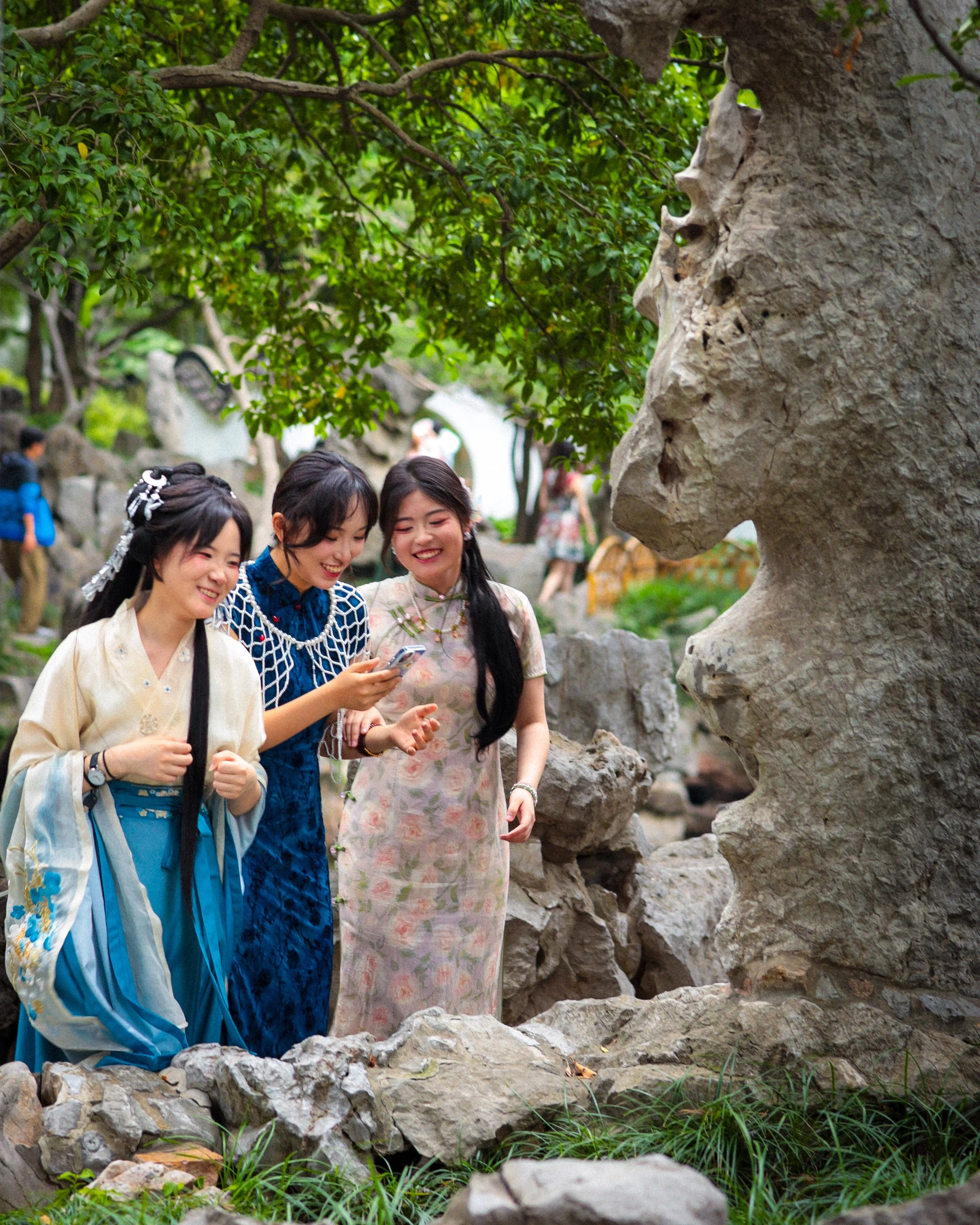
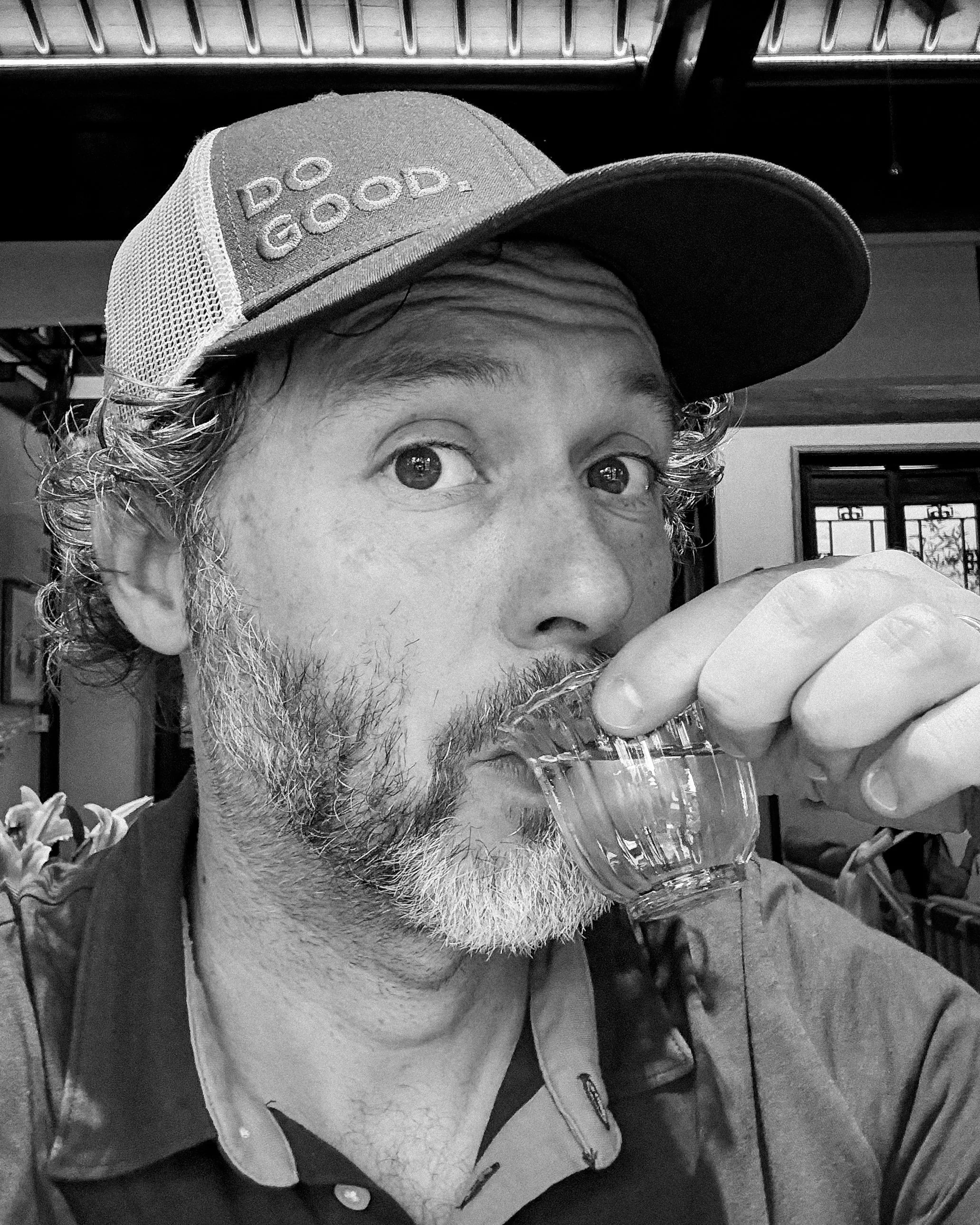
I chose one of his recommendations and showed up a couple hours before they opened, anticipating a wait. There was no line, however, so I wandered around the block and stumbled into one of the many tranquil gardens that Suzhou is famous for. Fearing the entry process might be too complicated, but also starting to get used to being proven wrong, I stepped up to a kiosk, held up the Alipay app on my phone, and had a ticket in less than a minute. I spent the next hour wandering the gardens and sipping tea.
When I returned to the noodle shop, my experience was just as seamless. I scanned a QR code at my table, got an auto-translated menu, ordered, paid - all from my phone. Minimal interaction needed. Maximum flavor delivered. The noodles were worth the hype. And I left realizing just how much my assumptions had underestimated how efficient and welcoming things could be.
So, it turns out you can eat very well in China even without chicken fingers and fries on the menu. 😄
Filming in Public: Myth Busted
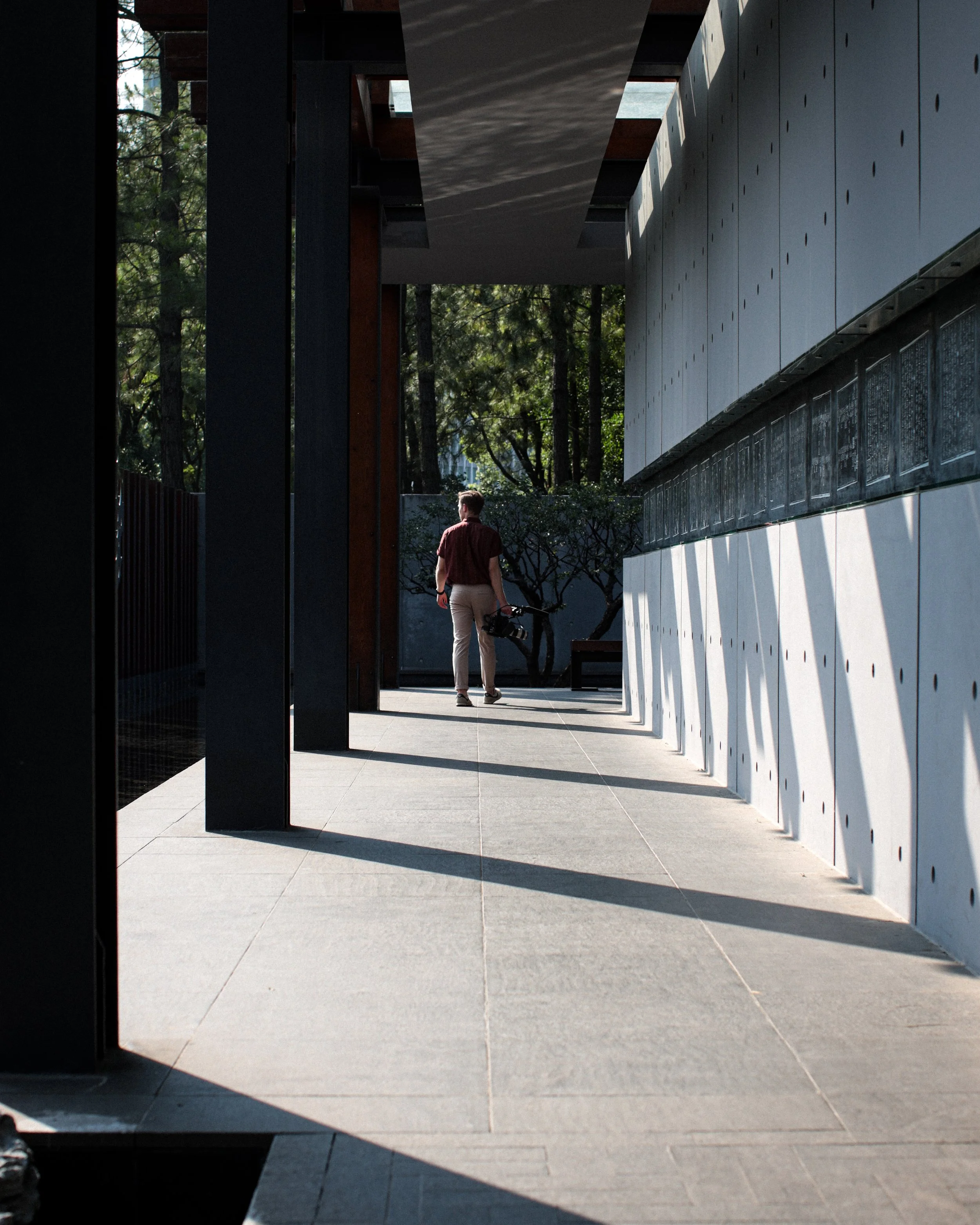
How 12 Stars Media Director of Photography, Jack Kersey, walks away after getting the perfect shot.
Lest you think all I do when I travel is eat and play, there was also a lot of work to be done and that’s the part of the trip that concerned me the most. I assumed bringing video gear to China would get us frequent stern looks or even shut down.
Surveillance, strict rules, no cameras… that’s the narrative, right?
So, we were cautious at first, steering clear of public spaces, awkwardly seeking the most obscure spots. But time and again, whether it was locals filming their own TikToks, our cab driver making a vlog about us, or curious bystanders checking out our gear, the people and culture felt open and welcoming. Eventually, after we gained confidence, even the police officers seemed unbothered when we filmed in public parks and along the streets.
By the end of the trip, we realized we could probably film just about anywhere. What started as anxiety turned into one of the most relaxed and open filming experiences we’ve ever had.
Familiar but Fantastically Unique
Now that I’ve addressed the concern about whether we got any work done, I can admit I had one more stop on my list before heading home…
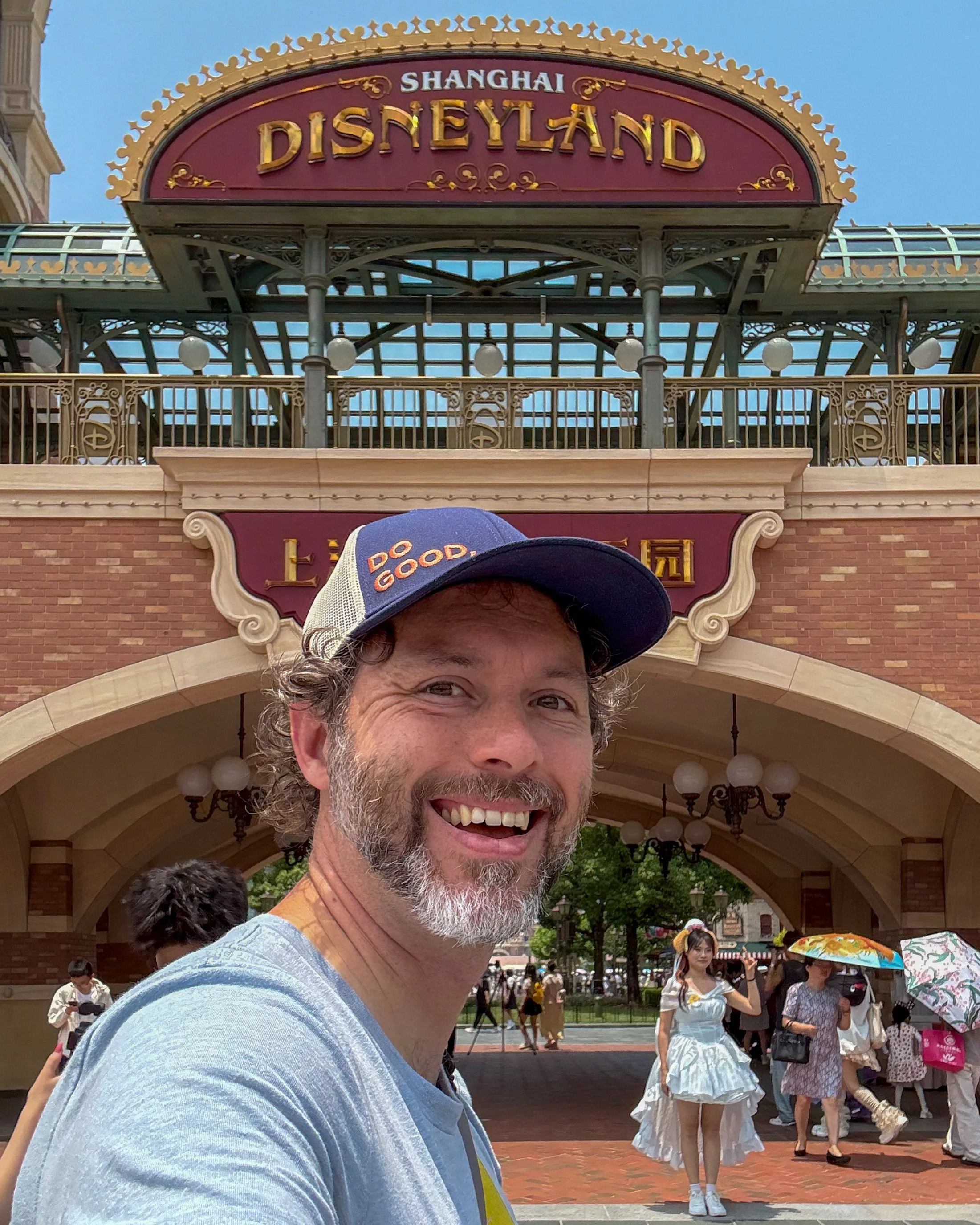
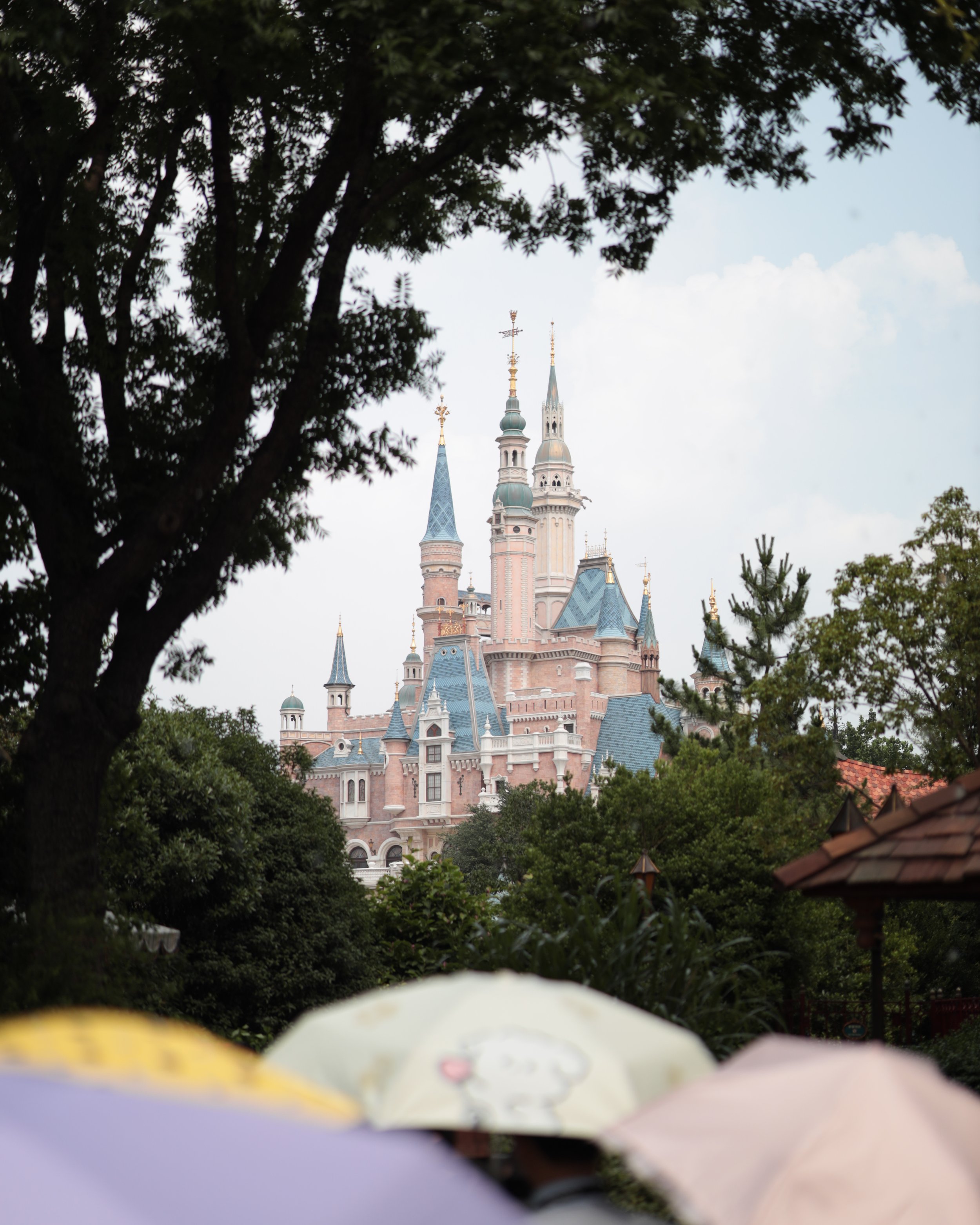
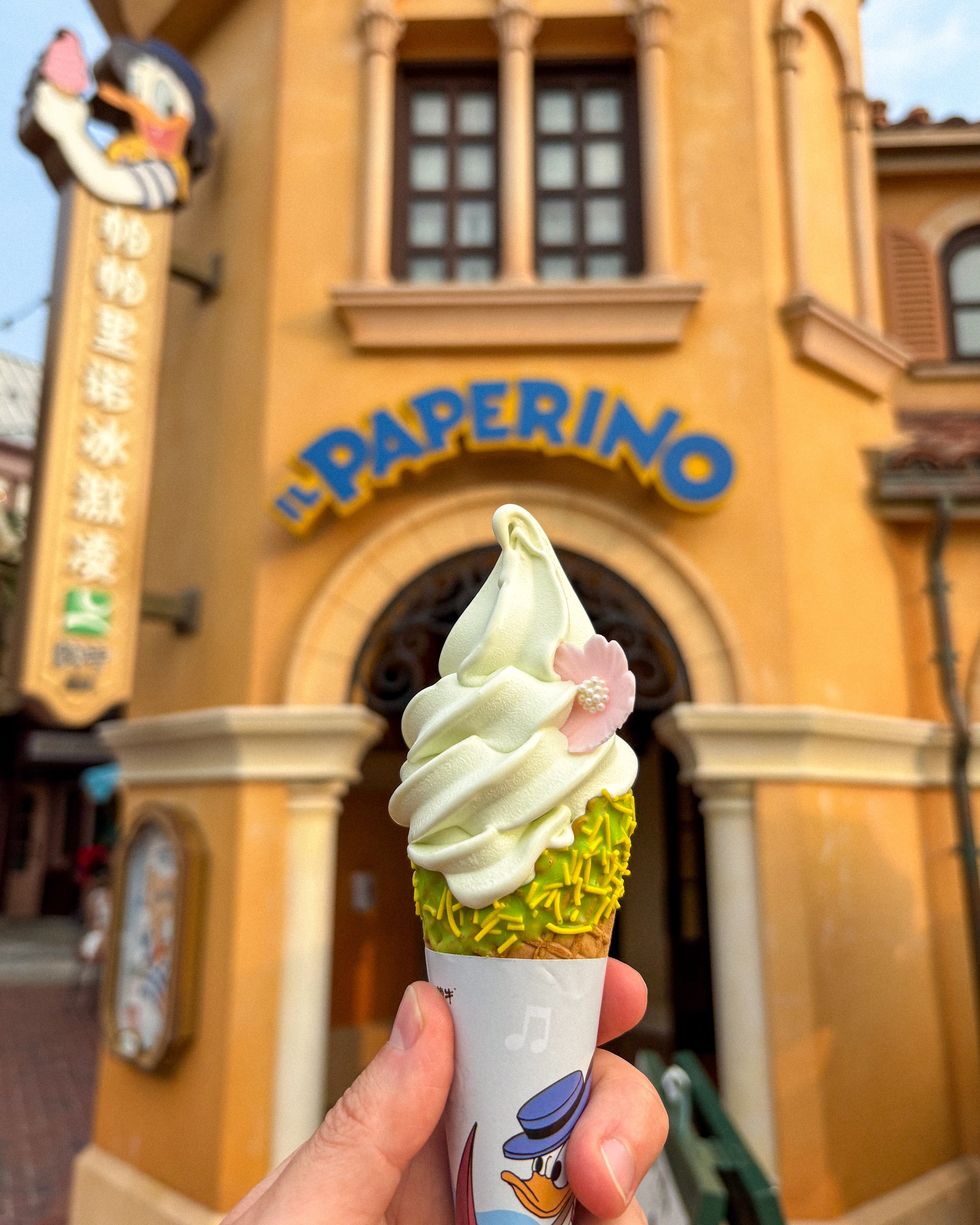
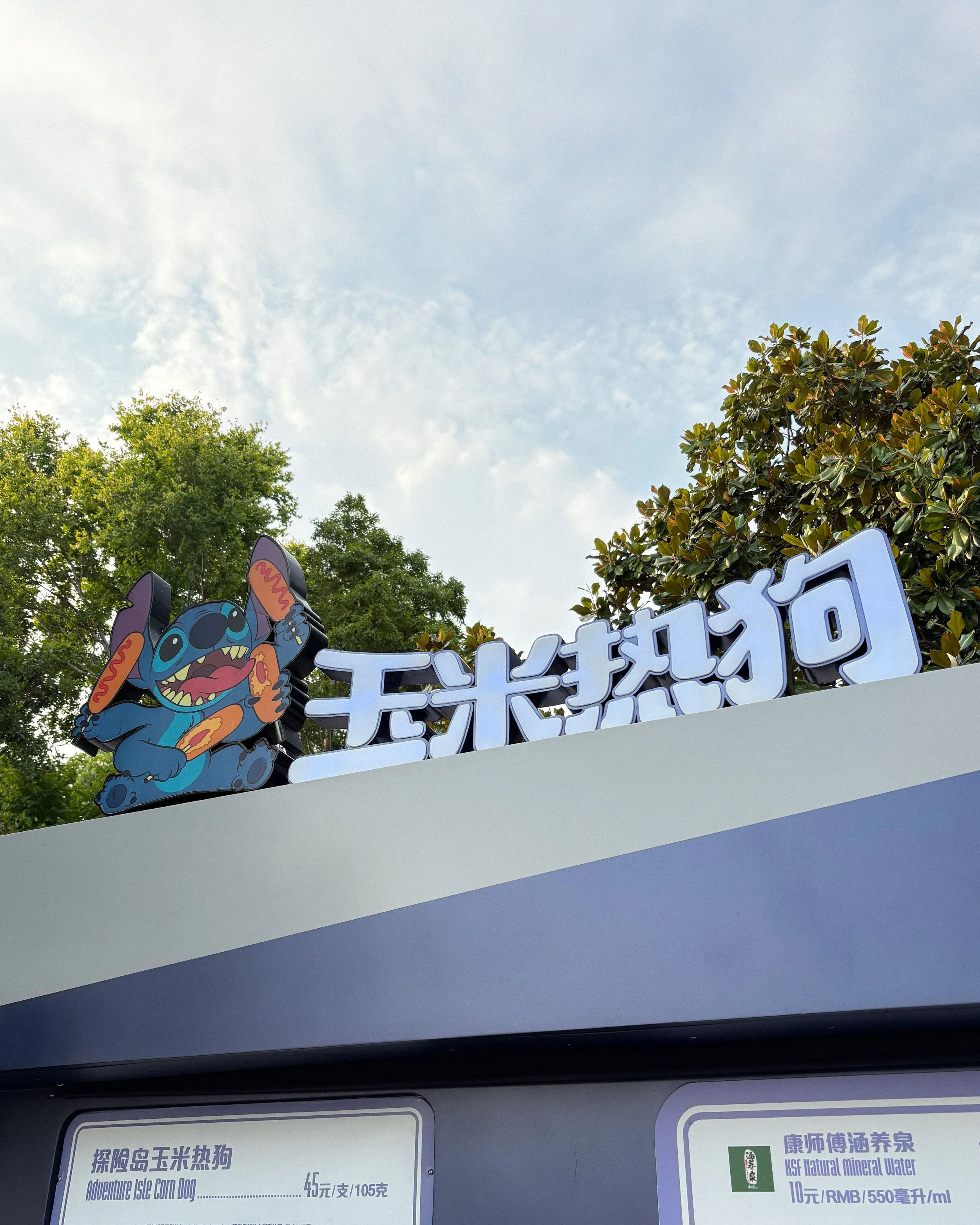
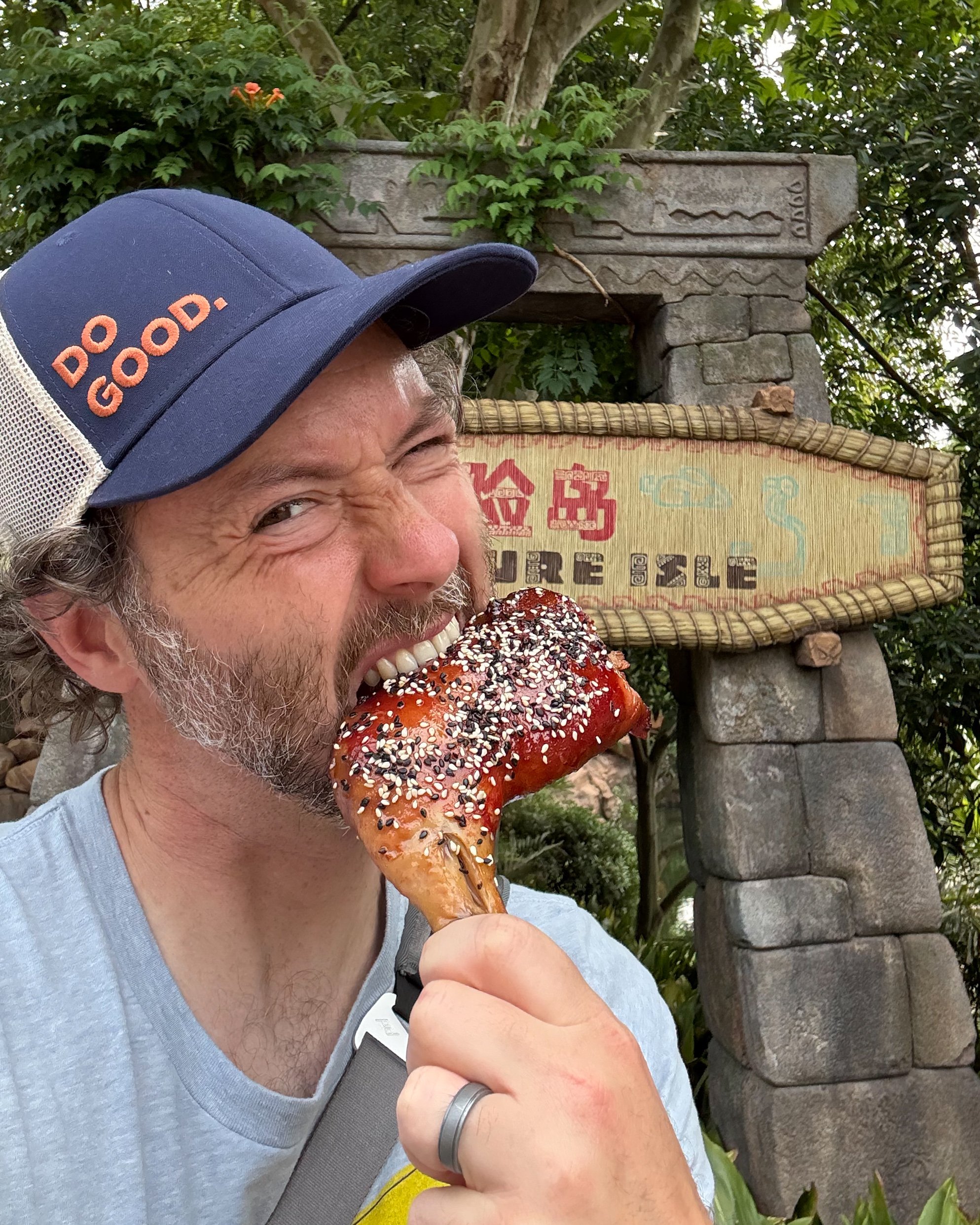
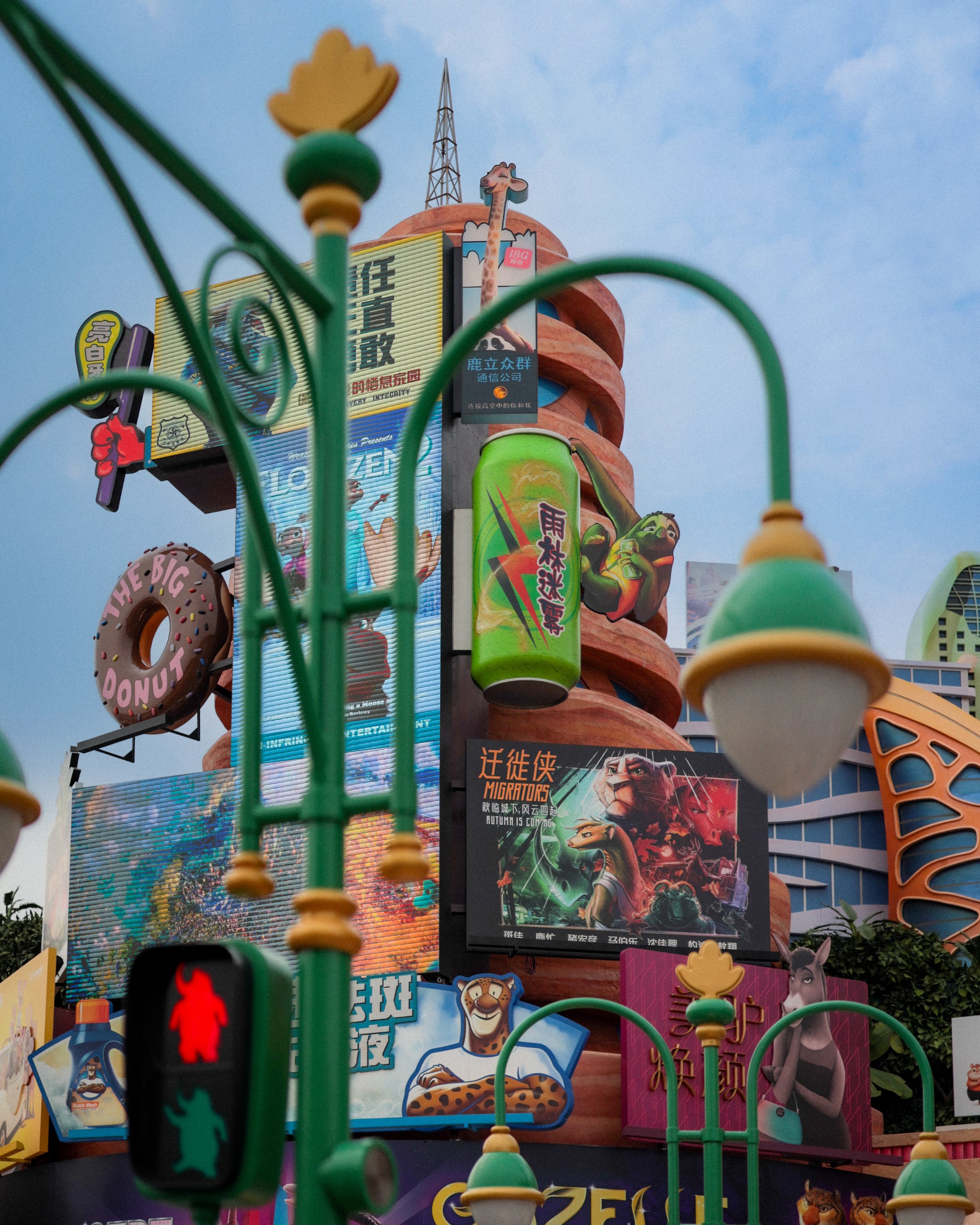
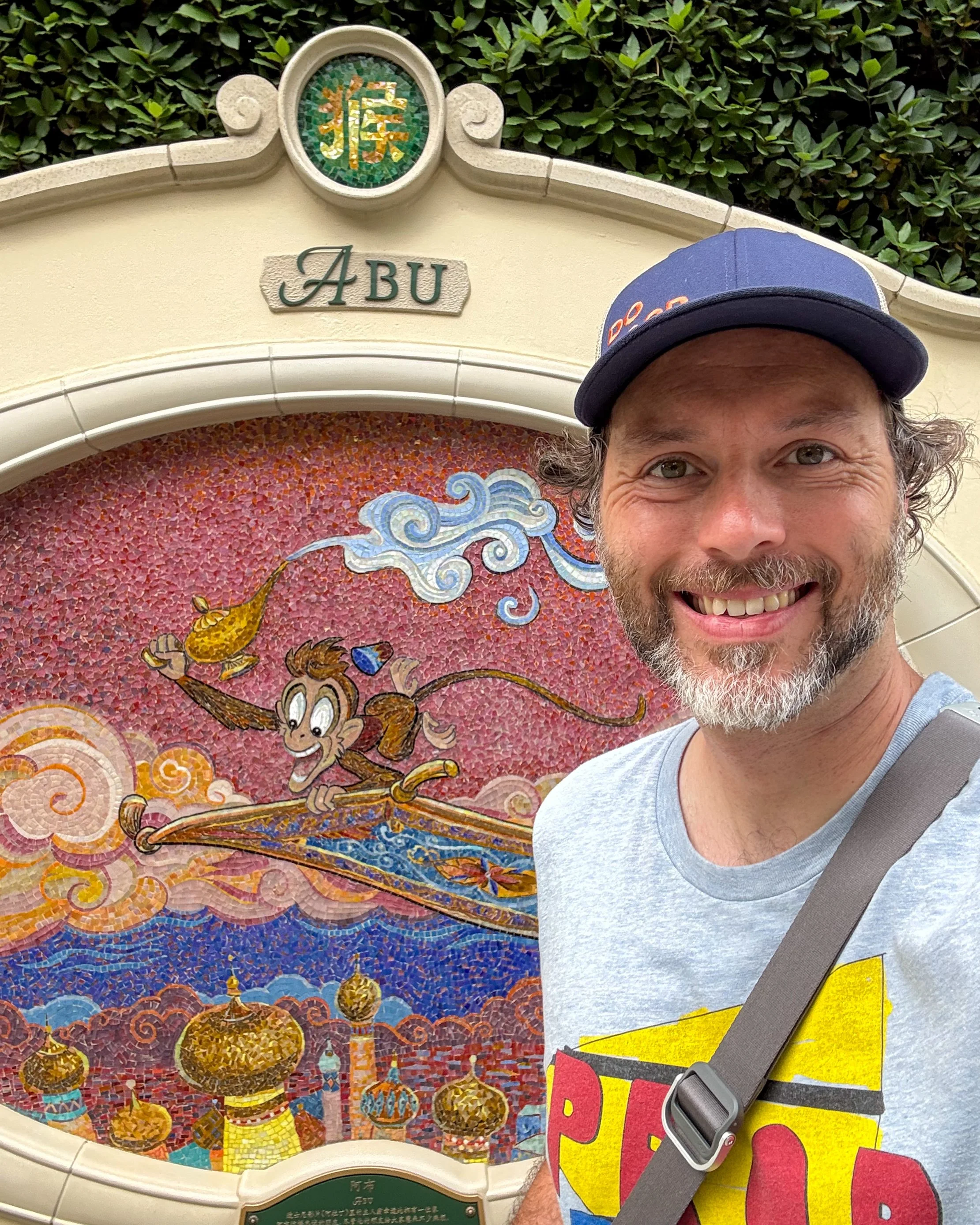
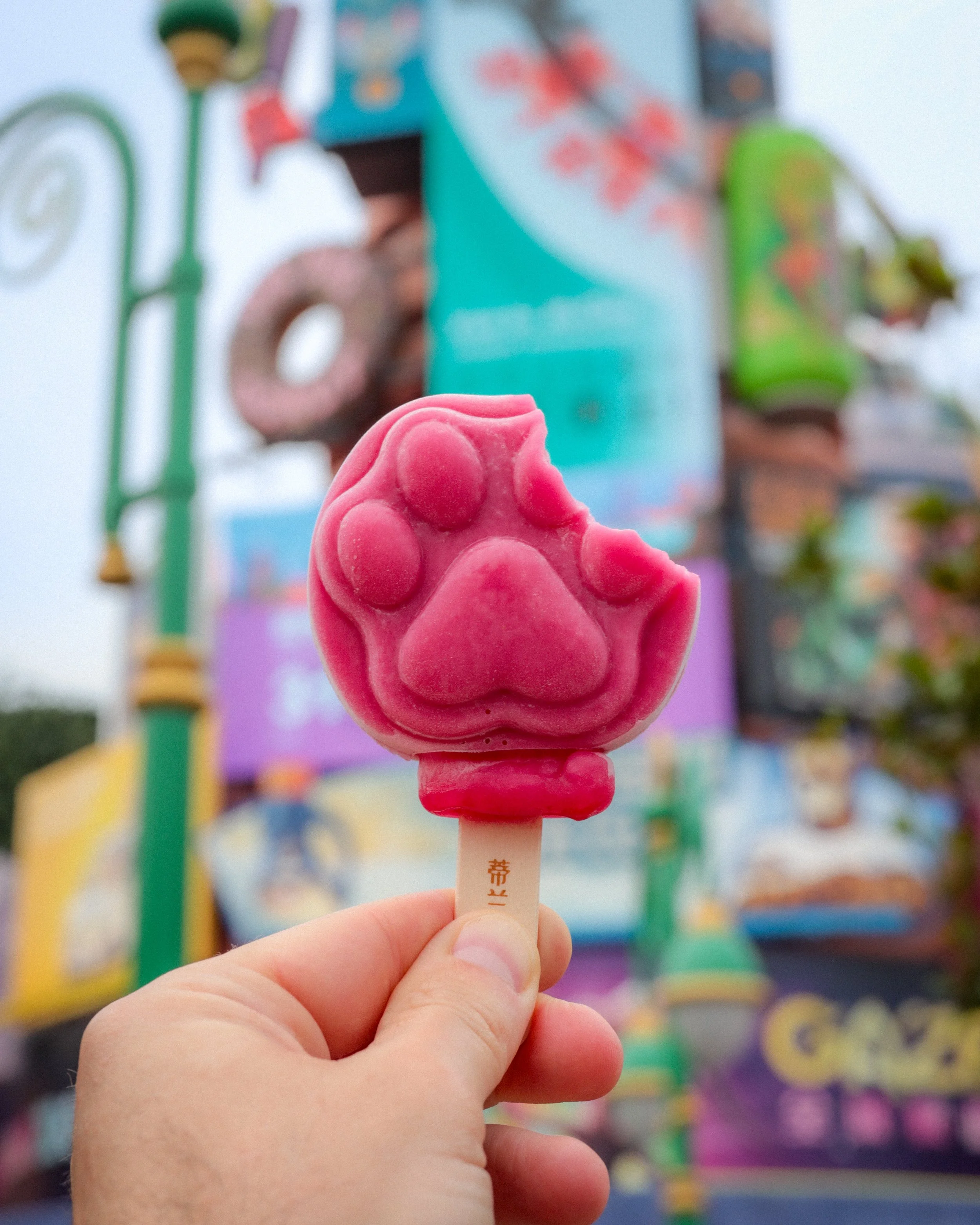
Shanghai Disneyland felt like a wonderful, yet slightly unnerving, dream version of a place I could swear I knew inside and out. The layout, the music, the castle - Disney déjà vu. But every detail had a local twist. The food was mostly Chinese. Pirates of the Caribbean? Completely reimagined (and incredible, btw). Main Street U.S.A.? Take a stroll down Mickey Avenue instead.
Oh, and to say there’s an affinity for Disney’s animal characters would be a massive understatement. Zootopia has its own land here, but that’s just the start. The gift shops were overflowing with animal-themed merch, by far the most I’ve ever seen, and it seemed like every food cart had some kind of adorable, animal-inspired snack.
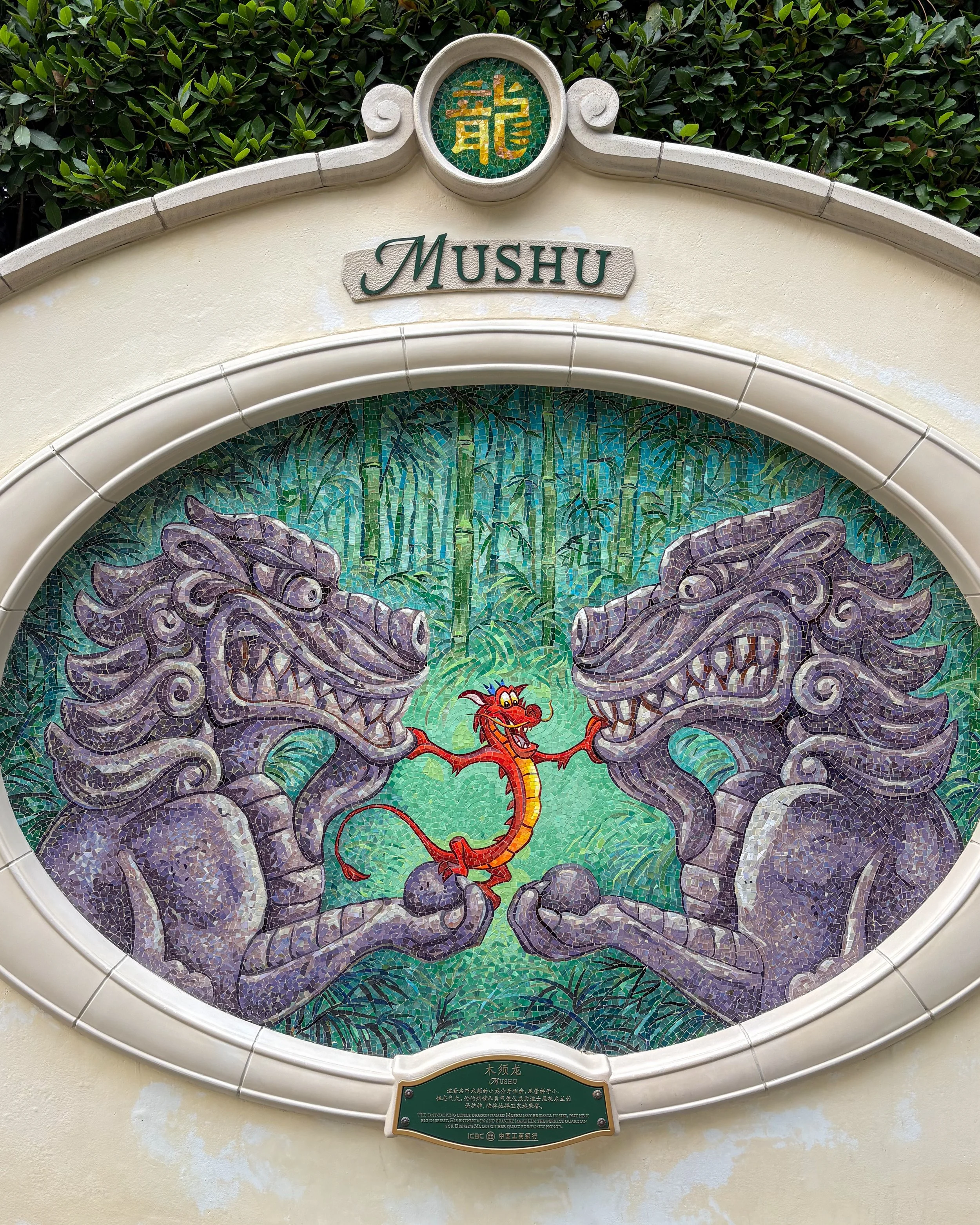
Finally, in front of the castle, there’s this beautifully designed garden space, including the Garden of the Twelve Friends: a mosaic tribute to the Chinese zodiac, with each animal represented by a Disney character. It was beautiful, joyful, and felt like something that could only exist in this place.
Final Reflection
In the last year, I’ve visited China, Japan, Taiwan, and Singapore - and those trips impacted me differently than international travel I’d done before. The cultures felt like a broader leap. While visiting Iceland in 2017, I remember those of us traveling together making remarks like, "This is the most otherworldly place I've ever been." Looking back now, I can say that while that might have been true for Iceland in terms of natural landscapes mostly devoid of people, China felt like the most otherworldly inhabited place I've ever been.
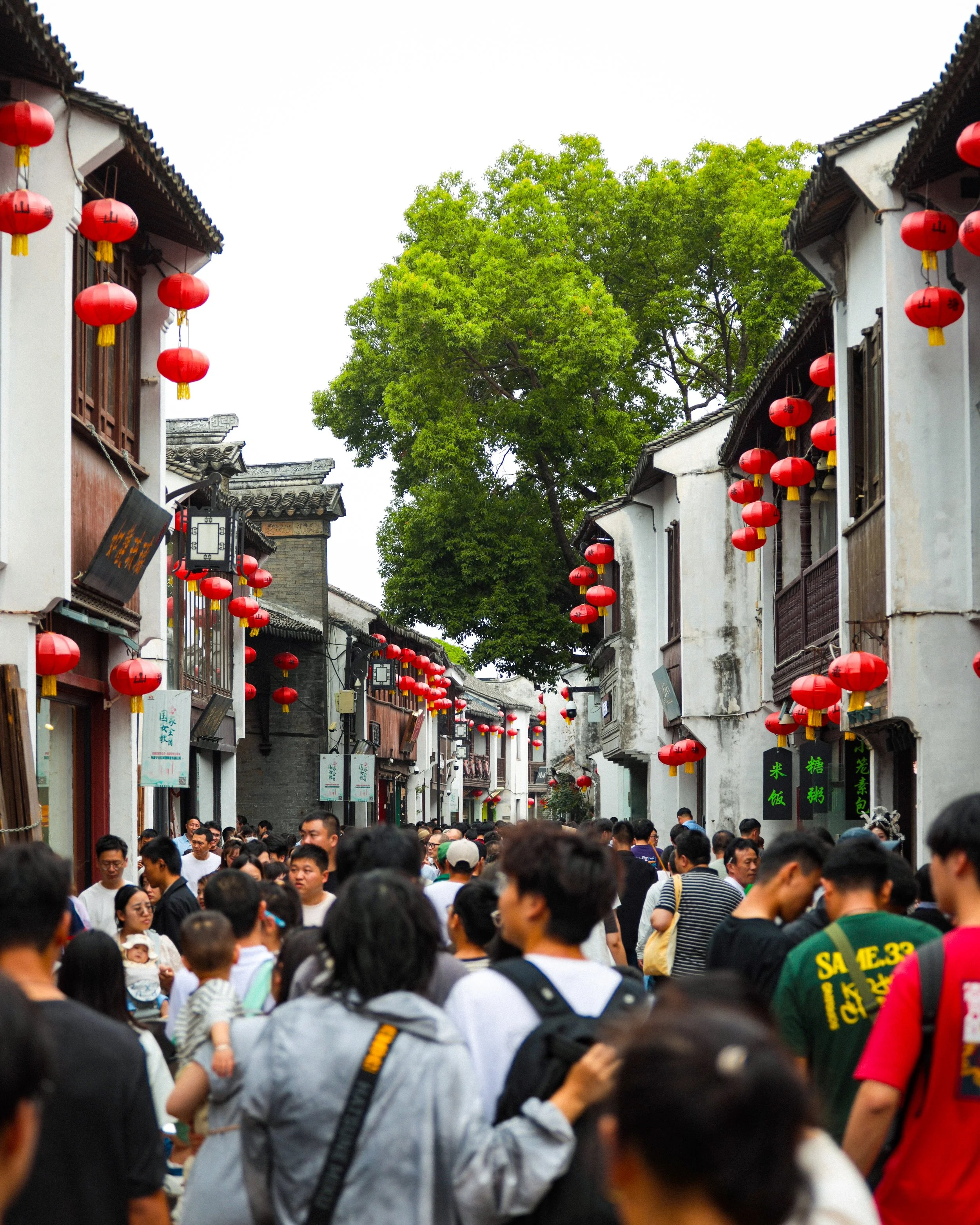
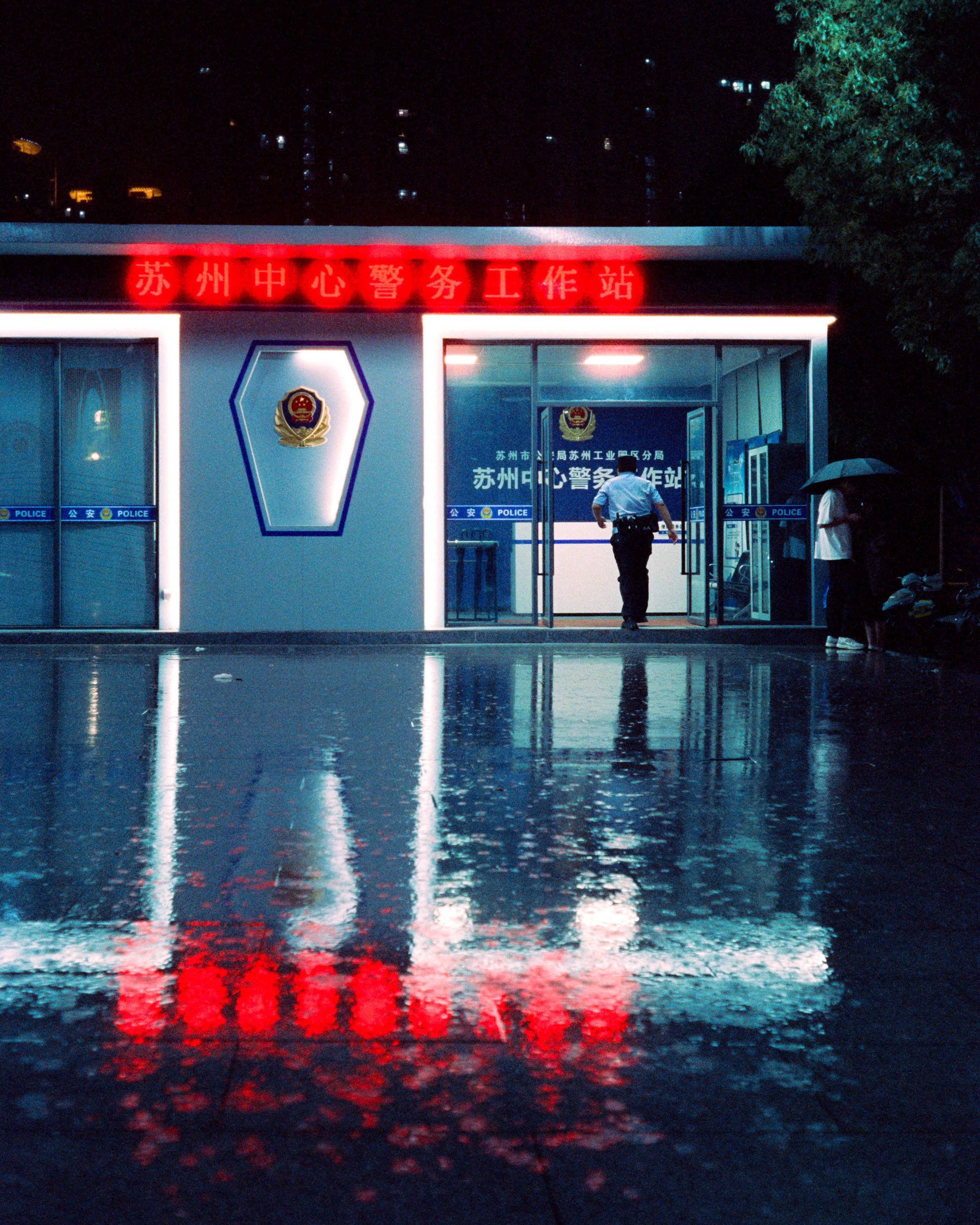
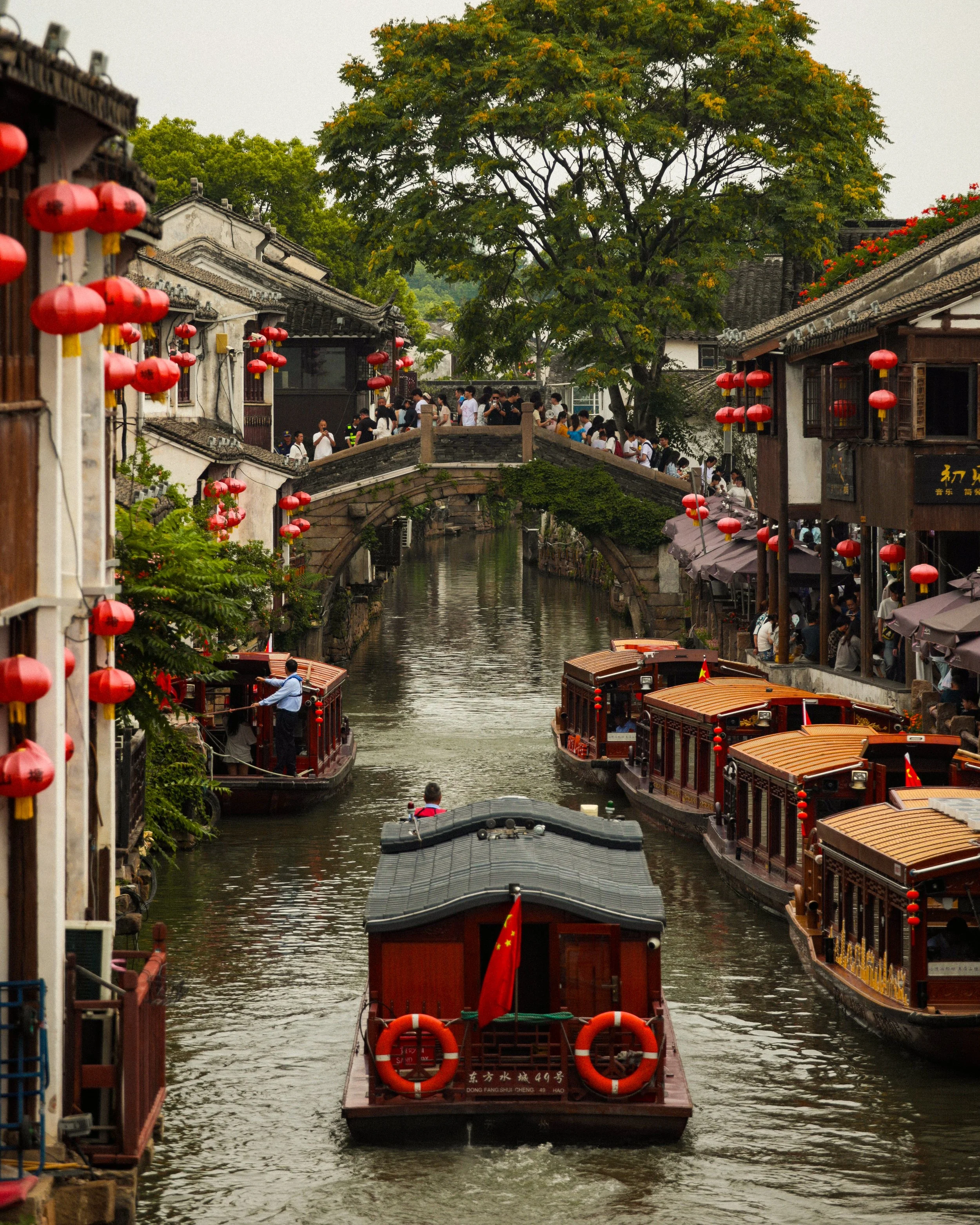
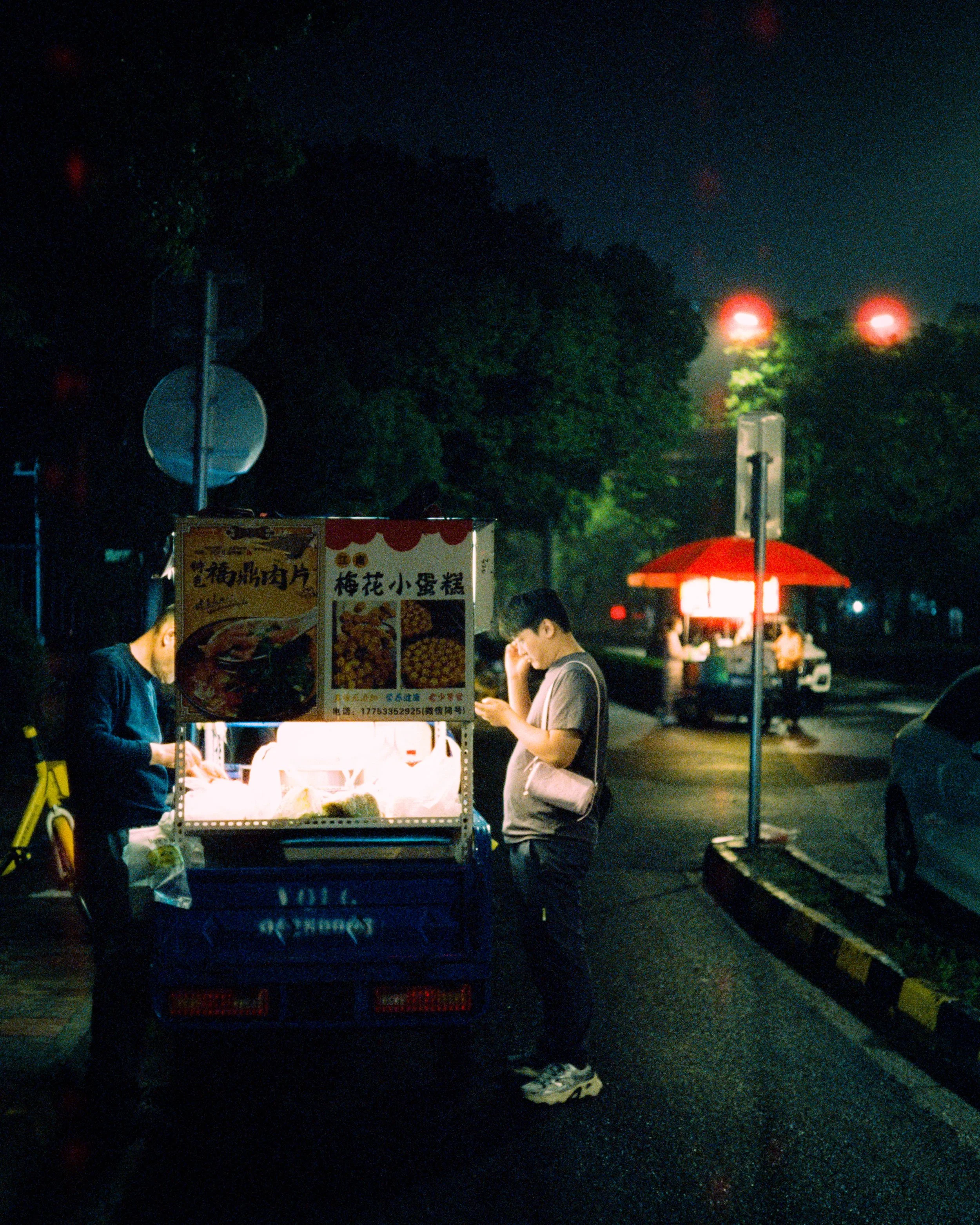
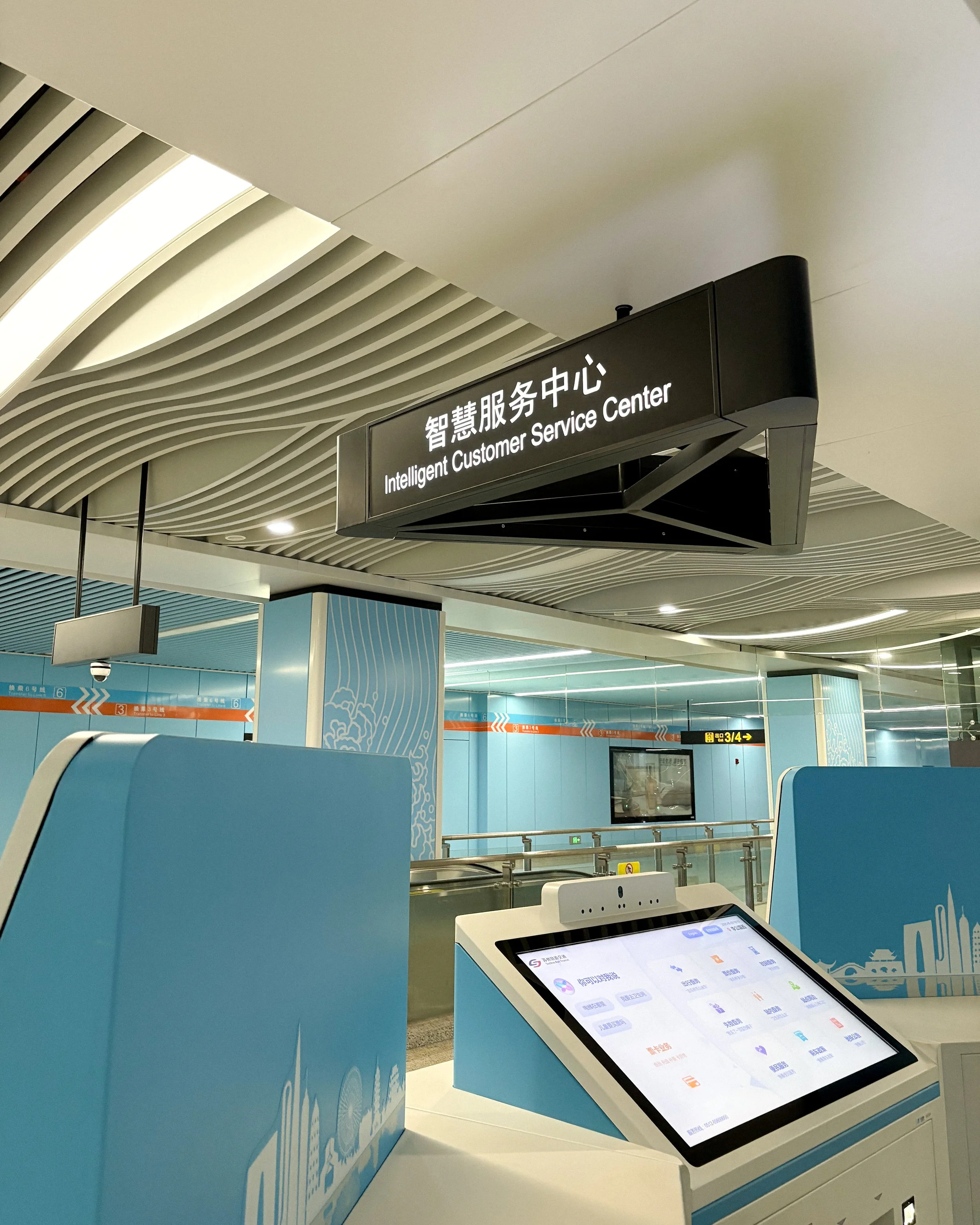
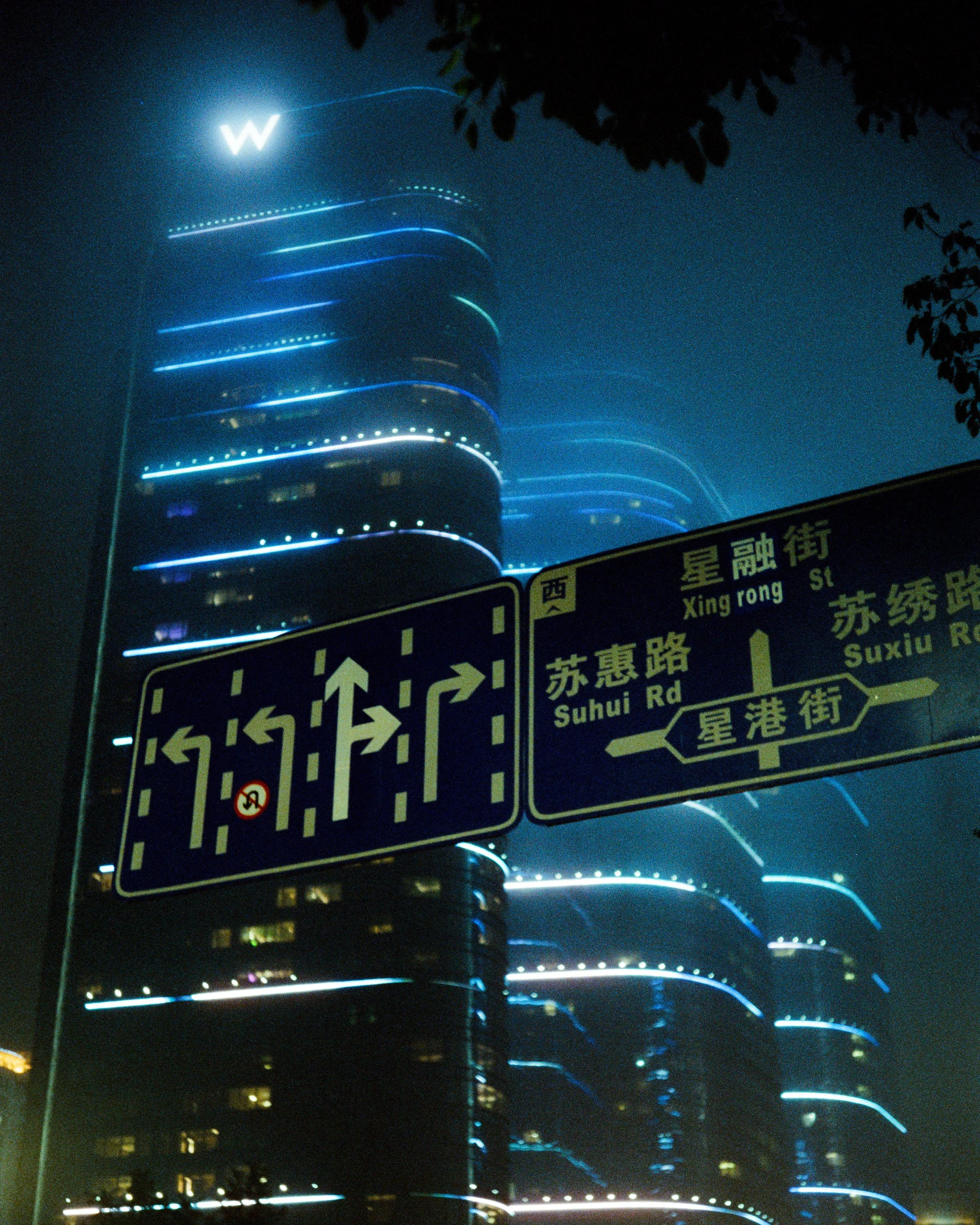
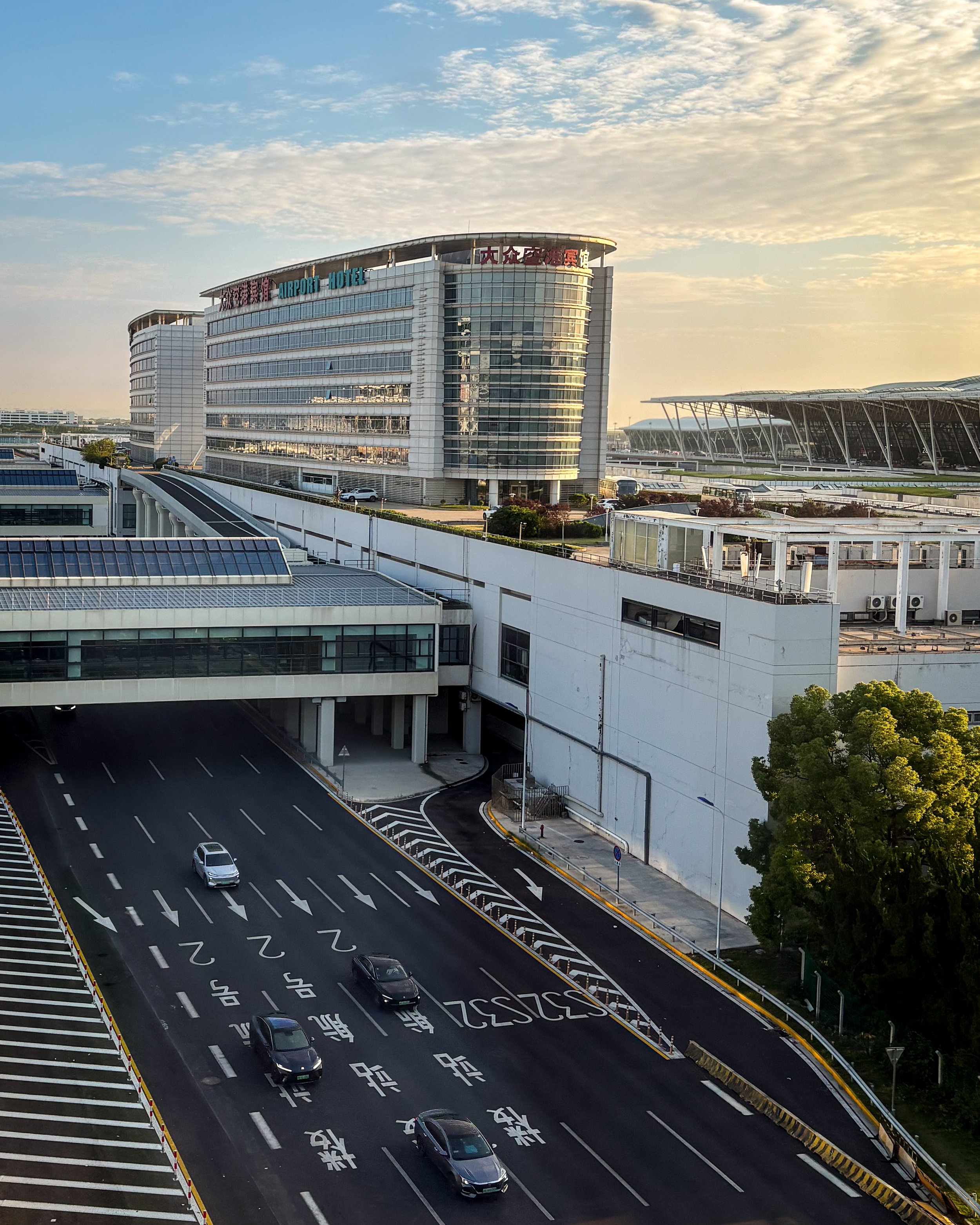
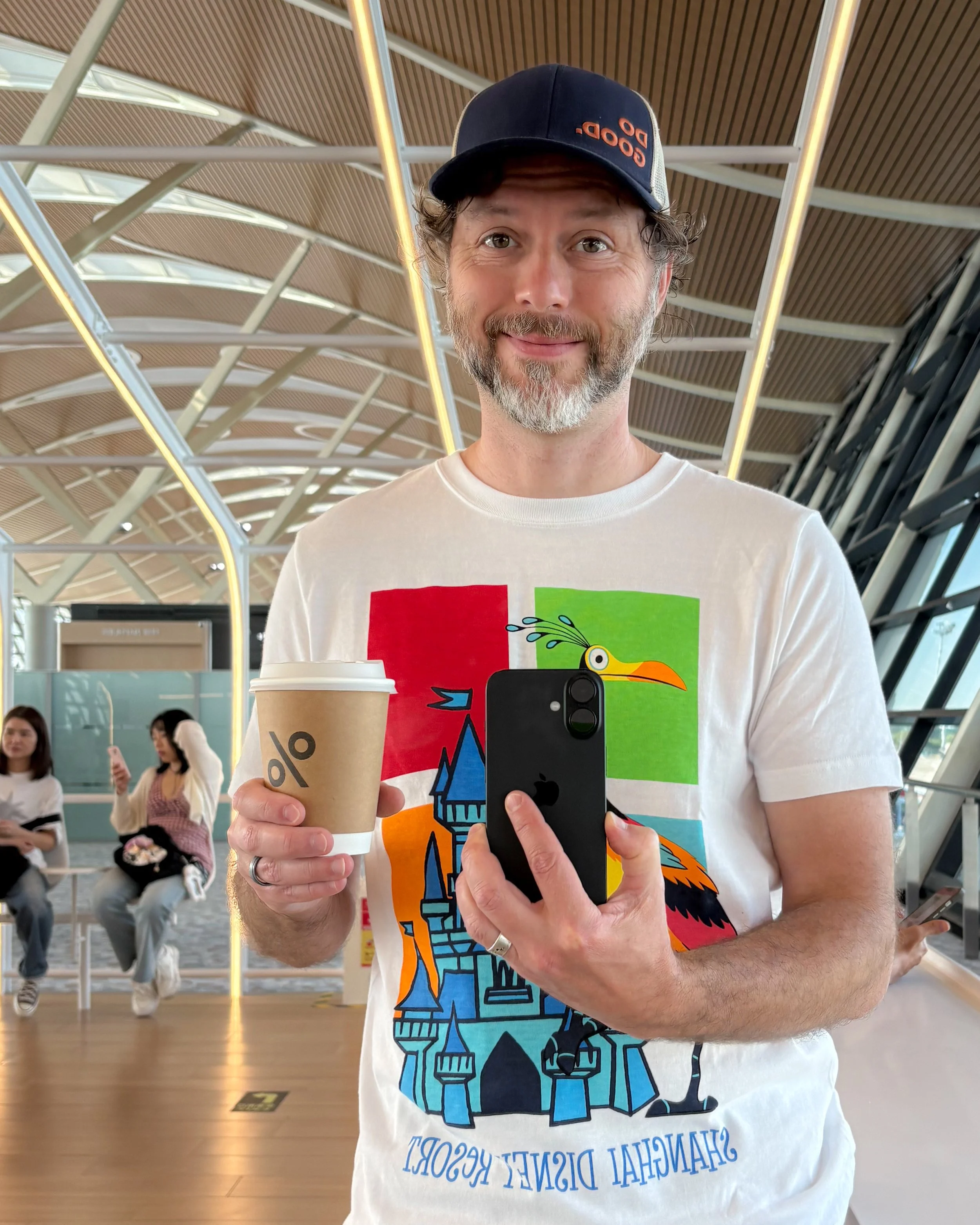
One small example I've given friends and family who've asked about my trip: It's one thing visiting a place where English isn't the official language, like Spain or France or even Brazil. But the official languages of those places share common roots with English - most of our letters are at least the same. So, when you are in a busy train station, you can usually discern which of the 100 signs you need to translate to get the information you need. In China, I had no idea whether the sign I was using Google Lens on would tell me which platform my train would be arriving at, or if it was letting me know the nearest restroom is closed for refurbishment.
Another difference was the culturally ingrained respect for authority. People I interviewed for our work project explained that in professional settings, western-style humility or group consensus isn’t as effective. Leaders are expected to have answers and lead confidently.
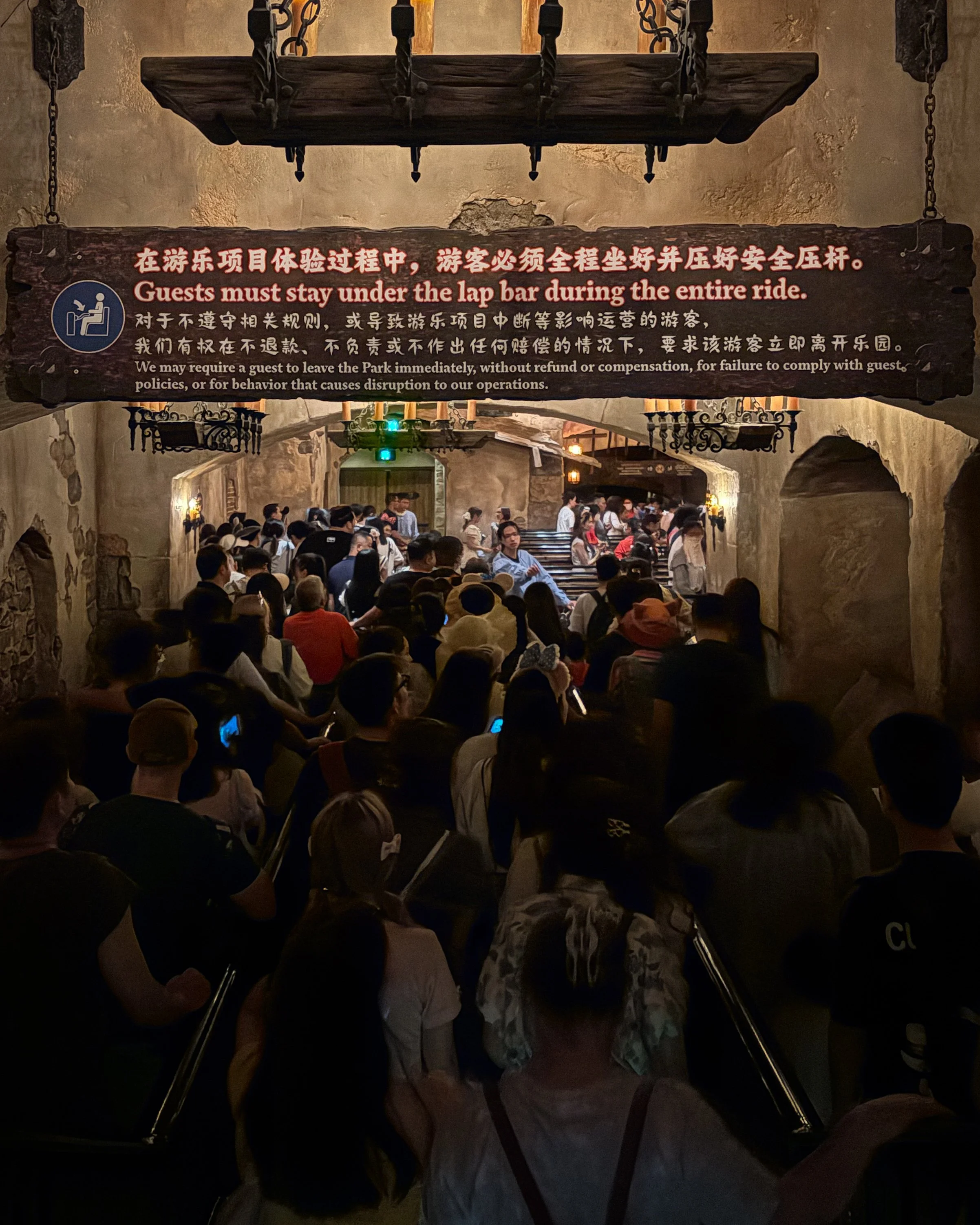
I noticed it everywhere, though, even at Disneyland. As you're entering the park, a respectful, but direct voice over the loud speaker explains that if you don't follow the rules, you will be escorted out of the park with no refund. The signs above the ride queues read, "Guests must stay under the lap bar during the entire ride." There's no "Please” and, honestly, it kind of made me wonder if Westerners could benefit from a little less “please” in certain situations.
This trip to China reminded me how much legend and myth still shape the way we see places and people, especially those furthest from our daily lived experience. As people, it’s natural to oversimplify or even fear what we don’t understand. But when we step into those places, we often find something very different - versions of what we thought we knew with layers upon layers of nuance enveloping (and sometimes disproving) those oversimplifications.
For me, China was a reminder to question the narratives I’ve accepted as fact and stay open to a bigger, more beautiful adventure full of surprises and deeper understanding of people and places.
Next Steps:
🧠 Think about it - What about you? Where have your assumptions about a place or people been completely overturned?
💬 Talk about it - Have you ever been to China? Or another place that had a major effect on how you viewed the world? I’d love to hear your story. Leave a comment or reply to one of my emails.
👉 Want more weekly reflections like this? Sign up for the email list to get each new Juxtapost in your inbox.